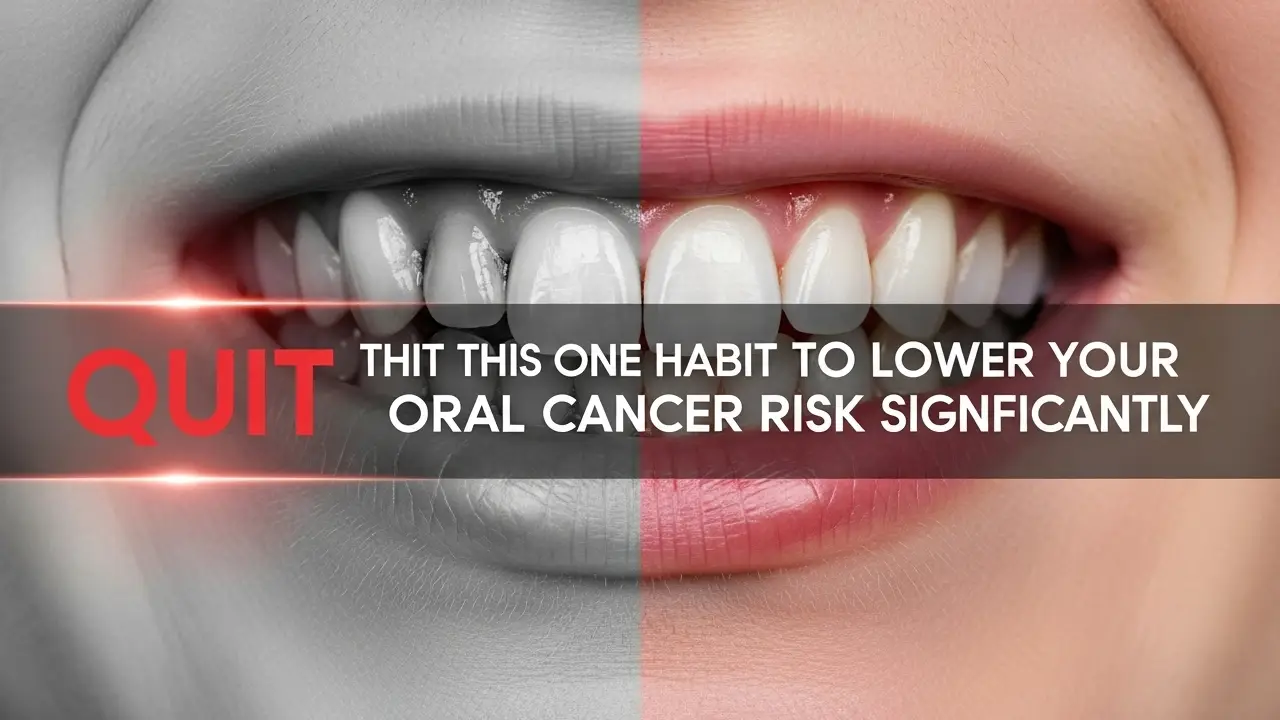
Oral cancer is a serious health condition that affects thousands of people worldwide every year. While several factors contribute to its development, one habit stands out as the most preventable cause—tobacco use. Whether it’s smoking cigarettes, chewing tobacco, or using other nicotine products, this habit plays a major role in increasing the risk of cancers in the mouth and throat.
Health experts consistently highlight that eliminating tobacco use can dramatically reduce your chances of developing oral cancer. This article explains how tobacco affects your oral health, why quitting matters, and what practical steps you can take to protect yourself.
Why Tobacco Use Is the Biggest Risk Factor for Oral Cancer
Tobacco contains harmful substances that directly damage the tissues inside your mouth. These substances are known as carcinogens, which are chemicals that can lead to cancer development over time.
When tobacco is used regularly, these chemicals repeatedly come into contact with sensitive areas such as the tongue, gums, cheeks, and throat lining. This prolonged exposure increases the likelihood of cellular damage and abnormal growth.
How Tobacco Damages Cells in the Mouth
Tobacco smoke contains more than 70 cancer-causing chemicals. These toxic compounds settle on oral tissues and gradually harm the DNA inside cells. When DNA becomes damaged, cells may begin to grow uncontrollably, which is a key step in the development of cancer.
Over time, this damage can lead to visible symptoms such as white or red patches, sores that don’t heal, or lumps inside the mouth. These early warning signs should never be ignored.
Smoking Causes Chronic Inflammation
Another major issue with tobacco use is chronic inflammation. Smoking irritates the tissues in your mouth and throat, creating a constant inflammatory response.
This inflammation weakens the body’s natural defense system and disrupts normal cell function. As a result, damaged cells are more likely to mutate and develop into cancerous cells.
Smokeless Tobacco Is Not a Safe Alternative
Many people believe that smokeless tobacco products, such as chewing tobacco or snuff, are safer than smoking. However, this is a misconception. These products still contain harmful chemicals, including tobacco-specific nitrosamines (TSNAs), which are strongly linked to cancer.
In fact, smokeless tobacco can sometimes be more harmful because it stays in direct contact with one area of the mouth for extended periods. This increases the intensity of exposure and can lead to localized damage.
The Combined Effect of Tobacco and Alcohol
Using tobacco alone is dangerous, but combining it with alcohol significantly increases the risk of oral cancer. Alcohol acts as a solvent, making it easier for harmful chemicals from tobacco to penetrate the tissues in your mouth.
When both habits are present, their effects multiply rather than simply adding up. This combination creates a much higher risk compared to using either substance alone.
What Happens When You Quit Tobacco
The good news is that your body begins to heal soon after you stop using tobacco. The mouth has a strong ability to repair itself once the exposure to harmful chemicals ends.
Research shows that within five years of quitting, the risk of developing oral cancer can drop by nearly half. Over a longer period—around 10 to 20 years—the risk may approach that of someone who has never used tobacco.
This means it is never too late to quit. Even small reductions in tobacco use can lead to meaningful improvements in health.
Early Signs of Oral Cancer You Should Not Ignore
Recognizing early symptoms can make a significant difference in treatment outcomes. Some common warning signs include:
• Persistent mouth sores that do not heal
• Red or white patches inside the mouth
• Lumps or thickened areas
• Difficulty chewing or swallowing
• Unexplained pain or numbness
If you notice any of these symptoms lasting more than two weeks, it is important to consult a healthcare professional promptly.
Simple Habits to Support Better Oral Health
In addition to quitting tobacco, adopting healthy daily habits can further reduce your risk of oral cancer and improve overall oral hygiene.
Maintain Proper Oral Hygiene: Brush your teeth at least twice a day and floss daily to remove plaque and bacteria.
Visit Your Dentist Regularly: Routine dental checkups help detect early signs of oral health issues, including potential cancerous changes.
Protect Your Lips from Sun Exposure: Use lip balm with SPF to reduce the risk of lip cancer caused by UV radiation.
Consider HPV Vaccination: Human papillomavirus (HPV) is linked to certain types of oral cancer. Vaccination can lower this risk.
Practical Tips to Help You Quit Tobacco
Quitting tobacco can be challenging, but it is achievable with the right approach and support.
• Set a clear quit date and stick to it
• Avoid triggers such as stress or social situations that encourage smoking
• Seek support from friends, family, or professionals
• Consider nicotine replacement therapies if needed
• Stay focused on long-term health benefits
Every step toward quitting is a step toward better health.
Expert Insight on Reducing Oral Cancer Risk
Dental and medical professionals agree that there is no safe level of tobacco use when it comes to cancer risk. Completely quitting offers the greatest protection, but even reducing consumption can lower harm.
The key takeaway is simple: eliminating tobacco use is the most effective way to reduce your risk of oral cancer.
Conclusion
Oral cancer is a preventable condition in many cases, and tobacco use remains its most significant risk factor. The harmful chemicals in tobacco damage oral tissues, trigger inflammation, and increase the likelihood of abnormal cell growth.
By quitting tobacco and adopting healthier lifestyle habits, you can significantly lower your risk and improve your overall well-being. Taking action today can make a lasting difference in your future health.
Frequently Asked Questions (FAQs)
1. How long after quitting tobacco does cancer risk decrease?
Risk starts decreasing immediately, and within five years, it can drop by about 50%.
2. Is vaping safer than smoking for oral health?
Vaping may expose users to fewer harmful chemicals, but its long-term effects on oral health are still not fully understood.
3. Can occasional tobacco use still increase cancer risk?
Yes, even occasional use exposes the mouth to harmful chemicals and increases risk over time.
4. What is the most common early sign of oral cancer?
A persistent sore or patch in the mouth that does not heal is one of the most common early signs.
5. Does good oral hygiene prevent oral cancer?
While it supports overall oral health, it does not eliminate risk. Avoiding tobacco remains the most important preventive step.