Many people focus on taking their medications on time but often overlook an important factor — what they eat alongside those medications. Certain foods, even healthy ones, can interfere with how medicines work in the body. This can either reduce their effectiveness or increase the risk of side effects.
Pharmacists warn that everyday items like fruits, vegetables, dairy, and even beverages can interact with common medications used for conditions such as high blood pressure, infections, cholesterol, and thyroid disorders. Understanding these interactions can help you stay safe and get the best results from your treatment.
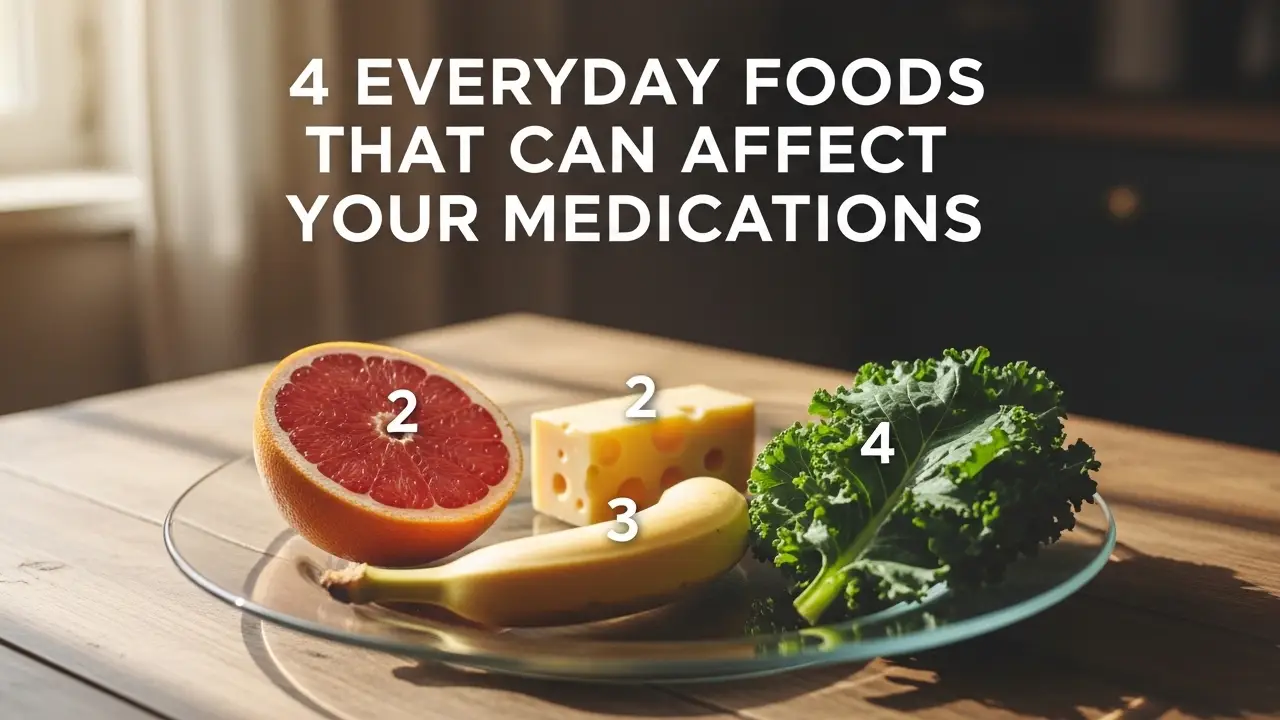
Grapefruit: A Hidden Risk for Many Medications
Grapefruit is often considered a nutritious addition to your diet, but it can be problematic when combined with certain medications. This fruit affects liver enzymes responsible for breaking down drugs in your body.
As a result, grapefruit can increase the concentration of medications in the bloodstream. This may lead to serious side effects, especially with drugs like statins, blood pressure medications, and anti-anxiety medicines. In some cases, it may even cause muscle damage, liver issues, or kidney complications.
What makes grapefruit particularly risky is that its effects can last for more than 24 hours. Even if you consume it hours before or after taking medication, the interaction may still occur. Therefore, it is often recommended to avoid grapefruit entirely if you are on sensitive medications.
Leafy Greens: Healthy but Important to Monitor
Leafy green vegetables such as spinach, kale, broccoli, and collard greens are packed with nutrients, especially vitamin K. While this vitamin is essential for blood clotting and overall health, it can interfere with certain medications.
People taking blood thinners like warfarin need to be particularly careful. High levels of vitamin K can reduce the effectiveness of blood-thinning medications, increasing the risk of dangerous blood clots.
However, this does not mean you must avoid leafy greens completely. The key is consistency. Maintaining a steady intake of vitamin K helps your healthcare provider adjust your medication dosage accurately, ensuring safe and effective treatment.
Dairy Products: Can Reduce Drug Absorption
Dairy products such as milk, cheese, and yogurt are excellent sources of calcium, but they can interfere with certain medications, particularly antibiotics.
Calcium binds to specific antibiotics in the digestive system, which can reduce their absorption and effectiveness. This may lead to incomplete treatment of infections, causing symptoms to persist longer than expected.
Additionally, dairy products can impact medications used for thyroid conditions, such as levothyroxine. For best results, doctors often recommend taking such medications on an empty stomach and spacing dairy consumption by a few hours.
Alcohol: A Common but Risky Combination
Alcohol is widely consumed, but combining it with medications can be dangerous. It can amplify the effects of many drugs, especially those that cause drowsiness, such as antihistamines, painkillers, and psychiatric medications.
When alcohol is involved, it may lead to extreme drowsiness, dizziness, or even accidents. In more serious cases, it can cause liver damage, heart complications, or fainting.
Alcohol can also irritate the stomach lining when taken with medications like aspirin or ibuprofen, increasing the risk of internal bleeding or ulcers. For many medications, it is safest to avoid alcohol altogether unless your healthcare provider confirms it is safe.
How to Safely Take Medications with Food
Managing food and medication interactions does not have to be complicated. With a few simple strategies, you can ensure your medications work as intended while minimizing risks.
Consult your healthcare provider: Always seek professional advice about how to take your medications. Doctors and pharmacists can provide personalized guidance based on your treatment plan.
Pay attention to timing: Some medications need to be taken on an empty stomach, while others work better with food. Understanding timing can significantly improve effectiveness.
Maintain consistency: If your diet includes foods that may interact with medications, keep your intake consistent. Sudden changes can affect how your body responds to treatment.
Build a routine: Taking medications at the same time each day helps reduce confusion and lowers the risk of harmful interactions.
Expert Insight: Why Awareness Matters
Pharmacists emphasize that food-drug interactions are often overlooked but can have serious consequences. Even small dietary changes can alter how medications behave in your body.
Being informed about these interactions allows you to make better decisions and avoid unnecessary health risks. In many cases, simple adjustments — such as spacing out meals or avoiding certain foods — can make a significant difference.
Medication and Food Interaction Guide
| Food Type | Affected Medications | Possible Effect | Recommendation |
|---|---|---|---|
| Grapefruit | Statins, BP meds, anxiety meds | Increased drug levels | Avoid completely |
| Leafy Greens | Blood thinners | Reduced effectiveness | Keep intake consistent |
| Dairy | Antibiotics, thyroid meds | Reduced absorption | Take separately |
| Alcohol | Painkillers, antihistamines | Increased side effects | Avoid or limit |
Frequently Asked Questions (FAQs)
1. Can I eat normally while taking medications?
Yes, but you should be aware of specific food interactions. Some foods may need to be limited or timed differently.
2. How long should I wait between food and medication?
It depends on the medication. Some require an empty stomach, while others should be taken with meals. Always follow your doctor’s advice.
3. Is grapefruit always unsafe with medications?
Not all medications are affected, but many are. It’s best to confirm with your pharmacist before consuming grapefruit.
4. Can I drink alcohol with any medication?
Some medications allow limited alcohol intake, but many do not. Always check with your healthcare provider.
5. Should I stop eating healthy foods like leafy greens?
No. Instead of avoiding them, maintain a consistent intake and consult your doctor for proper medication adjustments.
Final Thoughts
Understanding how food interacts with medications is essential for maintaining your health and ensuring treatment effectiveness. While many of these foods are healthy on their own, combining them with certain drugs can lead to unintended consequences.
By staying informed, maintaining consistency in your diet, and consulting healthcare professionals, you can safely manage your medications and avoid unnecessary risks. Small changes in your daily routine can have a significant impact on your overall well-being.