The Mediterranean diet food list is widely recognized for its balanced nutrition, heart-friendly benefits, and sustainable approach to eating. Inspired by traditional cuisines of countries like Greece, Italy, and Spain, this diet focuses on fresh, natural foods rather than processed items.
Instead of strict calorie counting, the Mediterranean diet encourages healthy choices, mindful eating, and long-term lifestyle changes. In this guide, you will find a complete and practical breakdown of foods to include, foods to limit, and how to build your daily meals effectively.
What is the Mediterranean Diet?
The Mediterranean diet is not a strict diet plan but a flexible eating pattern based on traditional foods consumed in Mediterranean regions. It emphasizes whole foods, healthy fats, and plant-based ingredients.
This approach is associated with improved heart health, better weight management, and reduced risk of chronic diseases when followed consistently. The focus is on quality ingredients rather than restriction.
Core Principles of Mediterranean Eating
Understanding the principles behind the Mediterranean diet food list helps you make better food choices every day. These guidelines form the foundation of this eating pattern.
It promotes consuming vegetables, fruits, whole grains, legumes, nuts, and olive oil as primary sources of nutrition, while limiting processed foods, refined sugar, and excessive red meat intake.
Mediterranean Diet Food List (Complete Breakdown)
Below is a detailed list of foods that form the core of the Mediterranean diet. These foods are natural, nutrient-dense, and widely accessible.
1. Vegetables
Vegetables are the cornerstone of the Mediterranean diet. They are rich in vitamins, fiber, and antioxidants.
Common options include tomatoes, spinach, broccoli, zucchini, eggplant, onions, carrots, and bell peppers. Fresh and seasonal vegetables are always preferred.
2. Fruits
Fruits provide natural sweetness and essential nutrients. They are often consumed as snacks or desserts.
Popular choices include apples, oranges, bananas, berries, grapes, figs, and pomegranates. Fresh fruit is recommended over packaged juices.
3. Whole Grains
Whole grains are a key energy source in this diet. They provide fiber and help maintain stable blood sugar levels.
Examples include brown rice, whole wheat bread, oats, barley, and quinoa. Refined grains should be minimized.
4. Healthy Fats
Healthy fats are essential in the Mediterranean diet, especially from natural sources.
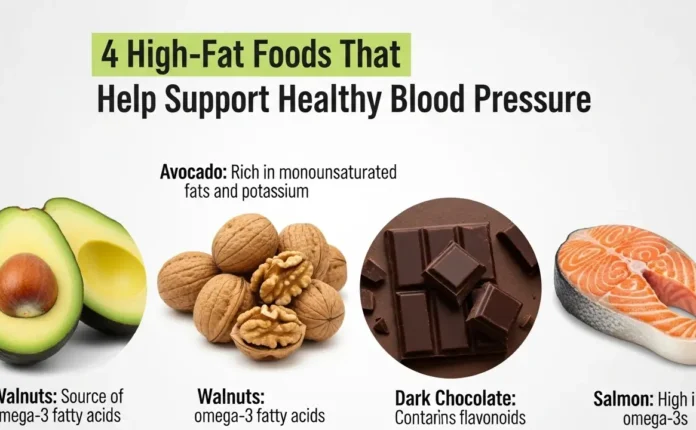
Olive oil is the primary fat used for cooking and dressing. Other sources include avocados, nuts, and seeds.
5. Protein Sources
Protein in this diet mainly comes from plant-based sources and seafood rather than red meat.
Include fish like salmon, sardines, and tuna, along with legumes such as lentils, chickpeas, and beans. Eggs and poultry can be consumed in moderation.
6. Dairy Products
Dairy is consumed in moderate amounts, typically in the form of cheese and yogurt.
Choose natural, minimally processed options such as Greek yogurt and traditional cheeses.
7. Herbs and Spices
Herbs and spices are used instead of salt to enhance flavor.
Common choices include garlic, basil, oregano, rosemary, thyme, and cinnamon.
Foods to Limit or Avoid
While the Mediterranean diet is flexible, certain foods should be limited to maintain its health benefits.
These include processed foods, sugary drinks, refined carbohydrates, excessive red meat, and trans fats. Reducing these items helps improve overall health and supports long-term results.
Sample Daily Mediterranean Meal Plan
Here is a simple example of how you can structure your meals using the Mediterranean diet food list.
Breakfast: Greek yogurt with fresh fruits and nuts
Lunch: Whole grain salad with vegetables, olive oil, and grilled chicken
Dinner: Grilled fish with steamed vegetables and brown rice
Snack: Fresh fruit or a handful of almonds
Health Benefits of Mediterranean Diet
Following this diet consistently can support various aspects of health. Research suggests it may help reduce the risk of heart disease and support healthy cholesterol levels.
It may also contribute to better weight management, improved digestion, and overall well-being when combined with an active lifestyle.
Tips to Start Mediterranean Diet Easily
Starting this diet does not require drastic changes. Small adjustments can make a significant difference.
Begin by replacing refined oils with olive oil, increasing vegetable intake, and choosing whole grains instead of processed options. Gradual changes are easier to maintain long term.
Mediterranean Diet Food List
| Food Category | Recommended Foods | Frequency |
|---|---|---|
| Vegetables | Spinach, broccoli, tomatoes, zucchini | Daily |
| Fruits | Apples, berries, oranges, grapes | Daily |
| Whole Grains | Brown rice, oats, whole wheat | Daily |
| Healthy Fats | Olive oil, nuts, seeds | Daily |
| Protein | Fish, beans, lentils, eggs | Regular |
| Dairy | Yogurt, cheese | Moderate |
Frequently Asked Questions (FAQs)
1. What foods are included in the Mediterranean diet?
The Mediterranean diet includes vegetables, fruits, whole grains, fish, olive oil, nuts, and legumes. It focuses on natural and minimally processed foods.
2. Can I eat meat on the Mediterranean diet?
Yes, but red meat should be limited. Poultry and fish are better protein choices and should be consumed more frequently.
3. Is the Mediterranean diet good for weight loss?
This diet can support weight management when combined with portion control and regular physical activity. It promotes healthy eating habits rather than strict dieting.
4. What is the main fat used in this diet?
Olive oil is the primary fat source. It is rich in healthy monounsaturated fats and is commonly used for cooking and dressings.
5. Can beginners follow the Mediterranean diet easily?
Yes, it is beginner-friendly. Start by making small changes like adding more vegetables, switching to whole grains, and using olive oil instead of refined oils.