The demand for a protein diet plan has increased significantly as more people focus on improving their health, managing weight, and building strength. Protein plays a crucial role in repairing tissues, supporting muscle growth, and maintaining overall body functions. Whether your goal is weight loss, muscle gain, or balanced nutrition, a well-structured protein-rich diet can help you achieve sustainable results.
In this detailed guide, we will explore how to create a balanced protein diet, what foods to include, and how to follow it safely without compromising your health.
What is a Protein Diet Plan?
A protein diet plan focuses on increasing protein intake while maintaining a balanced proportion of carbohydrates and healthy fats. Protein is an essential macronutrient required for building muscles, producing enzymes, and supporting metabolic activities.
Unlike extreme diet trends, a healthy protein diet does not eliminate other nutrients. Instead, it ensures that your daily meals include adequate protein sources such as lean meat, dairy, legumes, and nuts along with fiber and healthy fats.
Benefits of Following a Protein Diet Plan
Including more protein in your daily meals offers several scientifically supported benefits. First, protein helps in maintaining muscle mass, especially during weight loss. This ensures that the body burns fat rather than muscle tissue.
Second, protein-rich foods promote satiety, meaning you feel fuller for longer periods. This can naturally reduce unnecessary snacking and help manage calorie intake effectively.
Additionally, a balanced protein diet plan supports metabolism, improves bone health, and helps stabilize blood sugar levels when combined with fiber-rich foods.
Daily Protein Requirements
The amount of protein required depends on factors such as age, gender, activity level, and health goals. On average, an adult needs around 0.8 grams of protein per kilogram of body weight. However, individuals who are physically active or aiming for muscle growth may require higher intake.
It is important to spread protein consumption throughout the day rather than consuming it in a single meal. This allows the body to utilize it more efficiently for repair and growth.
Best Protein-Rich Foods to Include
A successful protein diet plan includes a variety of nutrient-dense foods. Lean sources of protein are generally recommended to avoid excess fat intake.
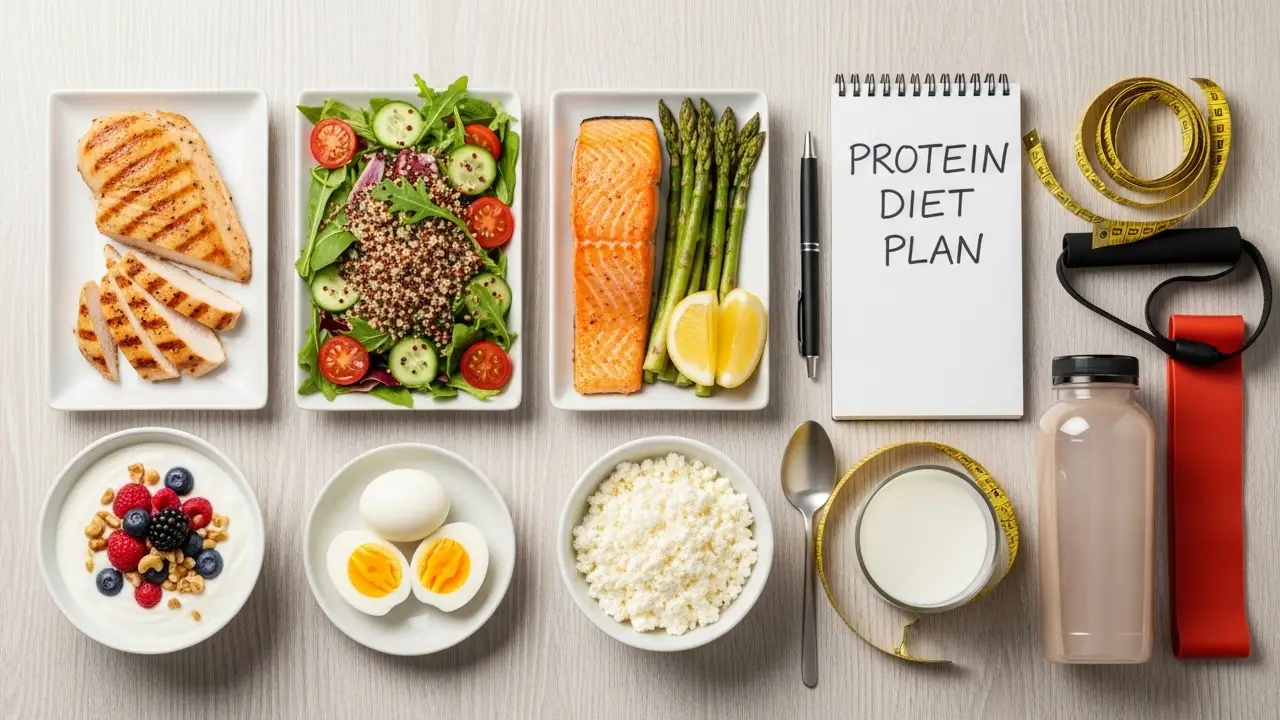
Some of the best options include chicken breast, fish, eggs, yogurt, lentils, beans, chickpeas, tofu, and nuts. Dairy products such as milk and cheese also provide high-quality protein along with calcium.
Plant-based sources like quinoa and soy products are excellent alternatives for vegetarians and offer additional fiber and micronutrients.
Sample 7-Day Protein Diet Plan
Below is a simple and balanced weekly meal plan that can help you incorporate protein into your daily routine. It is designed to provide variety and ensure nutritional balance.
Day 1: Breakfast with boiled eggs and whole grain toast, lunch with grilled chicken salad, dinner with lentils and vegetables.
Day 2: Oatmeal with milk and nuts for breakfast, fish curry with brown rice for lunch, and vegetable soup with chickpeas for dinner.
Day 3: Greek yogurt with fruits, chicken wrap for lunch, and tofu stir-fry for dinner.
Day 4: Smoothie with milk and peanut butter, grilled fish with vegetables, and lentil soup.
Day 5: Omelette with vegetables, chickpea salad, and baked chicken with quinoa.
Day 6: Cottage cheese with fruits, bean curry with rice, and grilled fish with salad.
Day 7: Pancakes made with oats and eggs, chicken soup, and mixed vegetable curry with lentils.
This weekly structure can be adjusted based on personal taste, dietary restrictions, and cultural preferences.
Tips to Follow a Healthy Protein Diet
To get the best results from your protein diet plan, focus on balance rather than extremes. Include vegetables and whole grains to ensure sufficient fiber intake, which supports digestion.
Drink enough water, as higher protein intake may increase the body’s need for hydration. Also, avoid relying heavily on processed protein products and instead prioritize natural food sources.
Portion control is equally important. Consuming excessive protein without considering total calorie intake may lead to unwanted weight gain.
Common Mistakes to Avoid
One of the most common mistakes is ignoring other nutrients while focusing only on protein. A healthy diet must include carbohydrates and fats in appropriate amounts.
Another mistake is consuming too many processed foods labeled as “high protein.” These may contain added sugars, sodium, or unhealthy fats that can negatively impact health.
Skipping meals or drastically reducing calories is also not recommended, as it can slow metabolism and reduce energy levels.
Protein Diet Plan for Weight Loss
A protein diet plan can be effective for weight loss when combined with calorie control and regular physical activity. Protein helps reduce hunger and prevents muscle loss during calorie restriction.
For weight loss, focus on lean protein sources such as chicken, fish, eggs, and legumes. Combine them with vegetables and whole grains for a balanced approach.
Avoid fried foods and sugary drinks, as they can counteract the benefits of a protein-rich diet.
Protein Diet Plan for Muscle Gain
For individuals aiming to build muscle, protein intake should be slightly higher along with strength training exercises. Consuming protein after workouts can support muscle repair and growth.
Include sources like eggs, dairy, lean meats, and plant-based proteins. Pair protein intake with complex carbohydrates to provide energy for workouts.
Consistency is key, and results are best achieved with a long-term approach rather than short-term changes.
Protein Diet Plan
| Category | Details |
|---|---|
| Diet Type | Balanced High-Protein Diet |
| Primary Goal | Weight Management & Muscle Support |
| Main Nutrient | Protein (Animal & Plant Sources) |
| Recommended Intake | 0.8g to 1.5g per kg body weight |
| Suitable For | Adults, Fitness Enthusiasts |
| Meal Frequency | 3 Main Meals + 1–2 Snacks |
Frequently Asked Questions (FAQs)
1. Is a protein diet plan safe for everyone?
Yes, a balanced protein diet is generally safe for most healthy individuals. However, people with kidney or liver conditions should consult a healthcare professional before increasing protein intake.
2. Can I follow a protein diet without meat?
Yes, plant-based options such as lentils, beans, tofu, nuts, and seeds can provide sufficient protein for vegetarians.
3. How long should I follow a protein diet plan?
A protein-rich diet can be followed long-term if it is balanced and includes all essential nutrients.
4. Does a protein diet help in weight loss?
Protein can support weight loss by reducing hunger and preserving muscle mass when combined with proper calorie management.
5. Are protein supplements necessary?
Supplements are not required if you can meet your protein needs through whole foods. They may be used occasionally for convenience.