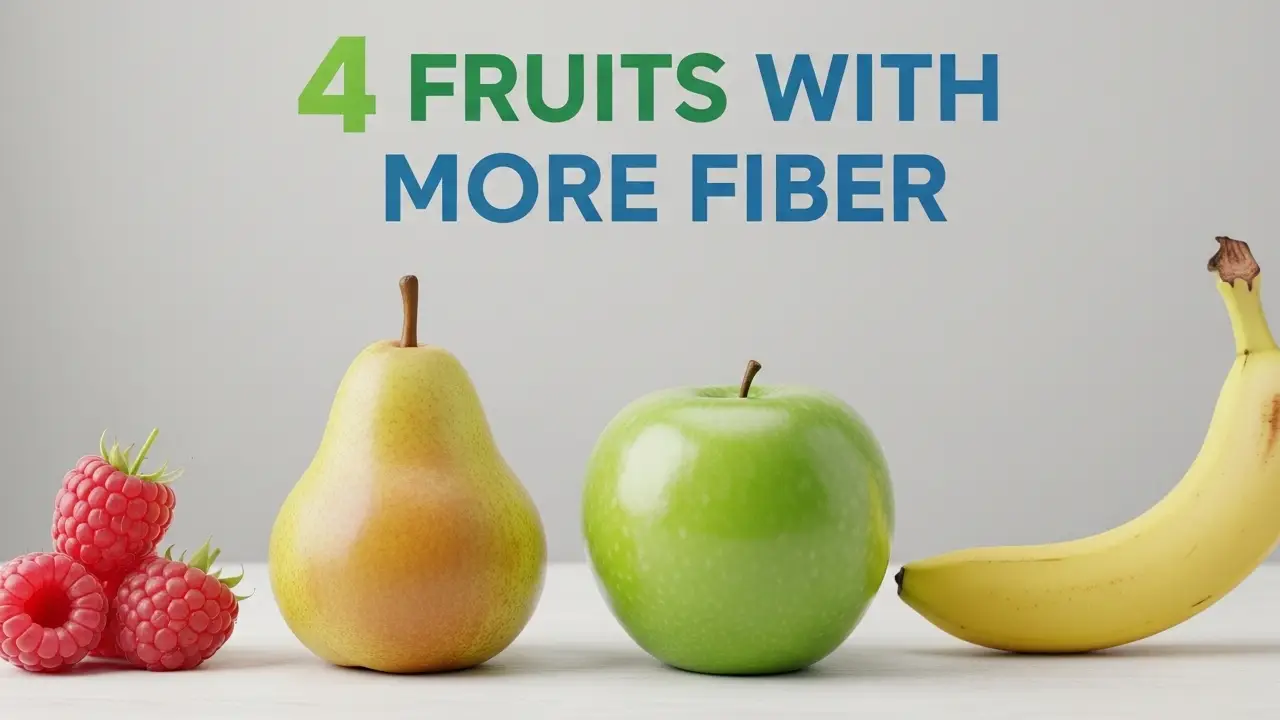
Fiber is one of the most essential nutrients for overall health, yet many people still don’t get enough of it in their daily diet. While bananas are often considered a go-to fruit for nutrition, they are not the highest source of fiber. In fact, several other fruits provide more fiber per serving while also delivering additional health benefits.
If you are looking to improve digestion, support gut health, and maintain a balanced diet, adding a variety of high-fiber fruits is a smart and practical choice. In this article, we explore four fruits that contain more fiber than a banana and how you can easily include them in your daily meals.
Why Fiber Is Important for Your Health
Dietary fiber plays a key role in maintaining digestive health, regulating blood sugar levels, and supporting heart health. It helps keep you full for longer, which can also assist in weight management.
Experts recommend around 25 grams of fiber per day for women and 38 grams for men. However, many people fall short of this goal. Including fiber-rich fruits is one of the easiest ways to close this gap.
1. Kiwi – A Small Fruit Packed with Fiber
Kiwi is a nutrient-dense fruit that delivers more fiber than bananas. It contains approximately 3 grams of fiber per 100 grams, making it a powerful addition to a balanced diet.
This fruit is especially known for its digestive benefits. Regular consumption of kiwi may help improve bowel movements and reduce discomfort related to digestion. It also contains vitamin C, antioxidants, and natural enzymes that support gut health.
You can enjoy kiwi in several ways, such as adding it to smoothies, mixing it with yogurt, or eating it fresh with a spoon.
2. Apples – A Convenient and Fiber-Rich Choice
Apples are one of the most accessible fruits and an excellent source of fiber. A medium apple provides around 4.5 to 5 grams of fiber, which is significantly higher than a banana.
Apples contain pectin, a type of soluble fiber that supports healthy gut bacteria. This helps improve digestion and overall gut function.
They are also incredibly versatile. You can eat them raw, slice them into salads, or pair them with peanut butter for a balanced snack.
3. Blueberries – Small but Nutrient-Dense
Blueberries may be small in size, but they are rich in fiber and antioxidants. One cup of blueberries provides around 3.6 grams of fiber.
In addition to fiber, blueberries contain powerful antioxidants that help reduce inflammation and support overall health. Regular consumption may also contribute to improved digestive comfort.
You can easily add blueberries to your diet by including them in smoothies, oatmeal, or as a topping for yogurt. They also work well in baked recipes.
4. Passion Fruit – A High-Fiber Tropical Option
Passion fruit is one of the most fiber-rich fruits available. Just two small fruits provide approximately 4 grams of fiber, making it a great alternative to bananas.
This tropical fruit is also rich in vitamin A, vitamin C, and antioxidants. Its unique flavor adds a refreshing twist to meals and snacks.
If fresh passion fruit is not available, frozen options can be used in smoothies or desserts without compromising nutritional value.
Comparison of Fiber Content
| Fruit | Fiber per Serving | Key Benefits |
|---|---|---|
| Banana | ~2g | Energy, potassium |
| Kiwi | ~4.5g (2 fruits) | Improves digestion |
| Apple | ~4.7g (1 medium) | Supports gut health |
| Blueberries | ~3.6g (1 cup) | Rich in antioxidants |
| Passion Fruit | ~4g (2 fruits) | High vitamins and fiber |
Simple Ways to Add More Fiber to Your Diet
Increasing your fiber intake doesn’t have to be complicated. By making small changes, you can easily reach your daily fiber goals.
Start by including a variety of fruits in your meals. Add berries to breakfast, snack on apples during the day, and include kiwi or passion fruit in desserts. Combining fruits with nuts, seeds, or yogurt can also enhance both taste and nutrition.
Consistency is key. Gradually increasing fiber intake helps your body adjust and prevents digestive discomfort.
Final Thoughts
While bananas remain a healthy fruit choice, they are not the highest source of fiber. Including fruits like kiwi, apples, blueberries, and passion fruit can significantly improve your fiber intake and support overall health.
A balanced diet with a variety of fruits ensures you get not only fiber but also essential vitamins, minerals, and antioxidants. Making these fruits a regular part of your meals is a simple and effective way to improve your nutrition.
Frequently Asked Questions (FAQs)
1. Which fruit has the most fiber among these options?
Apples and passion fruit are among the highest in fiber per serving, making them excellent choices.
2. Is banana still a healthy fruit?
Yes, bananas are nutritious and provide potassium and energy, but they are not the highest in fiber.
3. Can I eat these fruits daily?
Yes, these fruits can be consumed daily as part of a balanced diet.
4. What is the easiest way to increase fiber intake?
Adding fruits to breakfast, snacks, and desserts is one of the simplest ways to boost fiber intake.
5. Are frozen fruits as healthy as fresh ones?
Yes, frozen fruits retain most of their nutrients and are a convenient alternative when fresh options are not available.