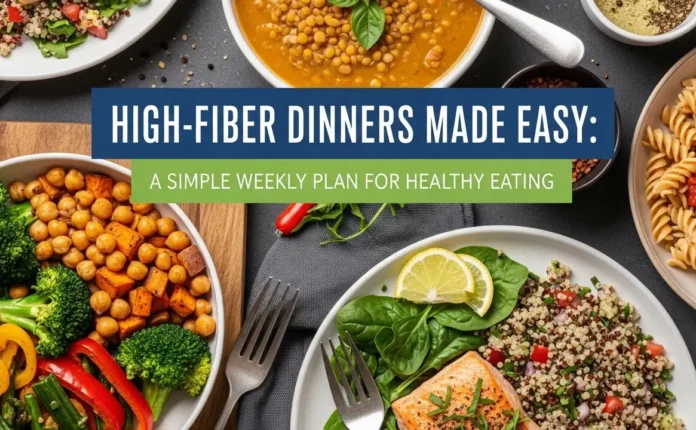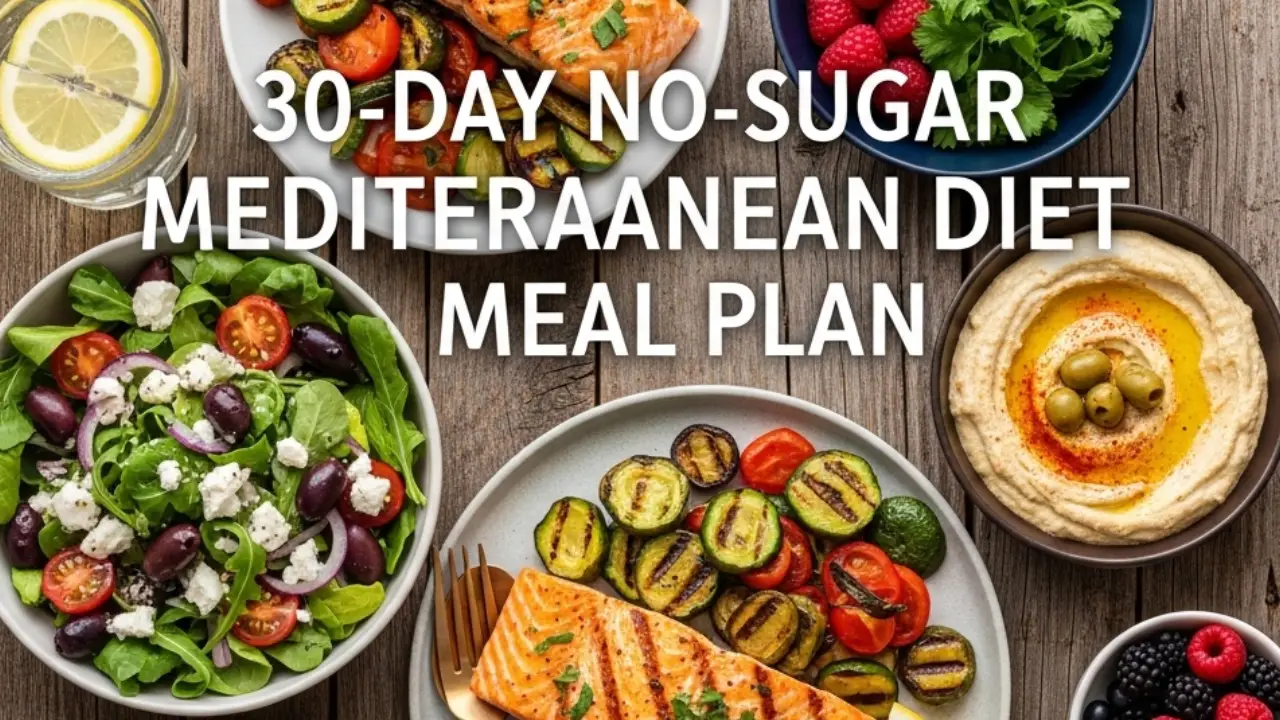
The Mediterranean diet is widely recognized for its balanced nutrition, heart health benefits, and sustainable eating approach. This 30-day no-sugar Mediterranean diet meal plan is designed specifically for beginners who want to improve their lifestyle without relying on added sugars.
This plan focuses on whole foods, healthy fats, lean proteins, fruits, vegetables, and whole grains, while completely avoiding added sugars. Each day is structured to provide balanced nutrition, steady energy, and long-term health benefits.
What Makes This Diet Plan Effective?
This meal plan is based on a daily intake of around 1,800 calories, with options to adjust between 1,500 and 2,000 calories depending on individual needs. It ensures:
• At least 77g protein daily to support muscle and energy
• Around 30g fiber to improve digestion
• Zero added sugar for better metabolic health
Meals are simple, beginner-friendly, and require minimal cooking time, making this plan practical for daily life.
Week 1: Simple Start with Balanced Meals
The first week focuses on easy-to-prepare meals that introduce you to Mediterranean eating habits. Breakfasts include yogurt parfaits and oats, while lunches feature chickpea salads and soups.
Dinners are rich in protein, such as roasted salmon, chicken dishes, and vegetable-based meals. Healthy snacks like cottage cheese bowls and cucumber slices help maintain energy levels throughout the day.
This week also introduces meal prep strategies, allowing you to cook in batches and save time.
Week 2: Variety and Nutrient Diversity
In the second week, the plan introduces more variety with meals like avocado sandwiches, salmon salads, and quinoa bowls. These meals provide essential nutrients such as omega-3 fatty acids and antioxidants.
Breakfast options expand to include smoothies and whole-grain cereals, ensuring a balance of fiber and healthy carbohydrates. Snacks like roasted edamame and nuts provide sustained energy.
This week emphasizes diet diversity, which is key for long-term adherence and improved gut health.
Week 3: Protein-Rich and Filling Meals
Week three focuses on increasing protein intake with meals like chicken bowls, lentil dishes, and seafood options. These meals help maintain muscle mass and keep you full for longer periods.
Vegetables continue to play a major role, ensuring adequate intake of vitamins and minerals. Whole grains like brown rice and quinoa remain staple components.
The goal of this phase is to enhance satiety and prevent cravings, especially for sugar.
Week 4: Anti-Inflammatory and Heart-Healthy Focus
This week emphasizes foods known for their anti-inflammatory properties, such as olive oil, leafy greens, nuts, and fatty fish. These ingredients support heart health and reduce chronic disease risk.
Meals are flavorful yet simple, proving that a no-sugar diet can still be enjoyable and satisfying.
This stage reinforces consistency and helps build long-term healthy eating habits.
Week 5: Sustainability and Lifestyle Integration
The final phase ensures that the diet becomes a sustainable lifestyle rather than a temporary plan. Meals are flexible, allowing you to mix and match based on your preferences.
By now, your body adapts to reduced sugar intake, and cravings significantly decrease. This makes it easier to maintain healthy eating patterns.
Health Benefits of a No-Sugar Mediterranean Diet
Following this diet consistently can provide multiple health benefits, including:
• Improved heart health through healthy fats like olive oil
• Better blood sugar control by eliminating added sugars
• Weight management due to balanced calorie intake
• Enhanced digestion from high fiber foods
• Reduced inflammation with nutrient-dense ingredients
These benefits are supported by the diet’s focus on natural, whole foods.
Key Foods Included in This Plan
The meal plan includes a wide range of nutrient-rich foods:
• Fruits: berries, apples, citrus fruits
• Vegetables: leafy greens, cucumbers, tomatoes
• Proteins: fish, chicken, beans, lentils
• Grains: oats, quinoa, whole wheat
• Healthy fats: olive oil, nuts, seeds
All meals are prepared without added sugars, ensuring clean and healthy nutrition.
Meal Planning Tips for Beginners
To make the most of this diet plan, follow these practical tips:
• Prepare meals in advance to save time during busy days
• Keep healthy snacks ready to avoid unhealthy choices
• Use fresh ingredients for better taste and nutrition
• Stay hydrated throughout the day
• Adjust portion sizes based on your calorie needs
Consistency is key to achieving long-term results.
30-Day Diet Plan Specifications
| Feature | Details |
|---|---|
| Diet Type | Mediterranean (No Added Sugar) |
| Duration | 30 Days |
| Daily Calories | 1500–2000 kcal (adjustable) |
| Protein Intake | 77g+ per day |
| Fiber Intake | 30g+ per day |
| Cooking Time | Under 30 minutes per meal |
| Main Goal | Healthy lifestyle & sugar reduction |
Frequently Asked Questions (FAQs)
1. Is this diet suitable for weight loss?
Yes, the balanced calorie intake and high fiber content can support healthy weight loss when followed consistently.
2. Can I adjust the calorie intake?
Yes, the plan offers flexibility with options for 1,500, 1,800, and 2,000 calories based on your needs.
3. Are natural sugars from fruits allowed?
Yes, natural sugars from whole fruits are included, but added sugars are completely avoided.
4. Is this diet beginner-friendly?
Yes, all meals are simple, quick to prepare, and require basic ingredients.
5. Can I continue this diet after 30 days?
Absolutely. This plan is designed to transition into a long-term healthy eating lifestyle.
Final Thoughts
The 30-day no-sugar Mediterranean diet meal plan is a practical and effective way to improve overall health. By focusing on whole foods and eliminating added sugars, it helps build sustainable eating habits.
Whether your goal is better health, weight management, or improved energy levels, this plan offers a structured yet flexible approach to achieving long-term results.