As we age, our bodies go through natural changes that can affect how nutrients are absorbed and used. After the age of 60, maintaining proper nutrition becomes even more important for supporting energy, bone strength, brain function, and overall well-being.
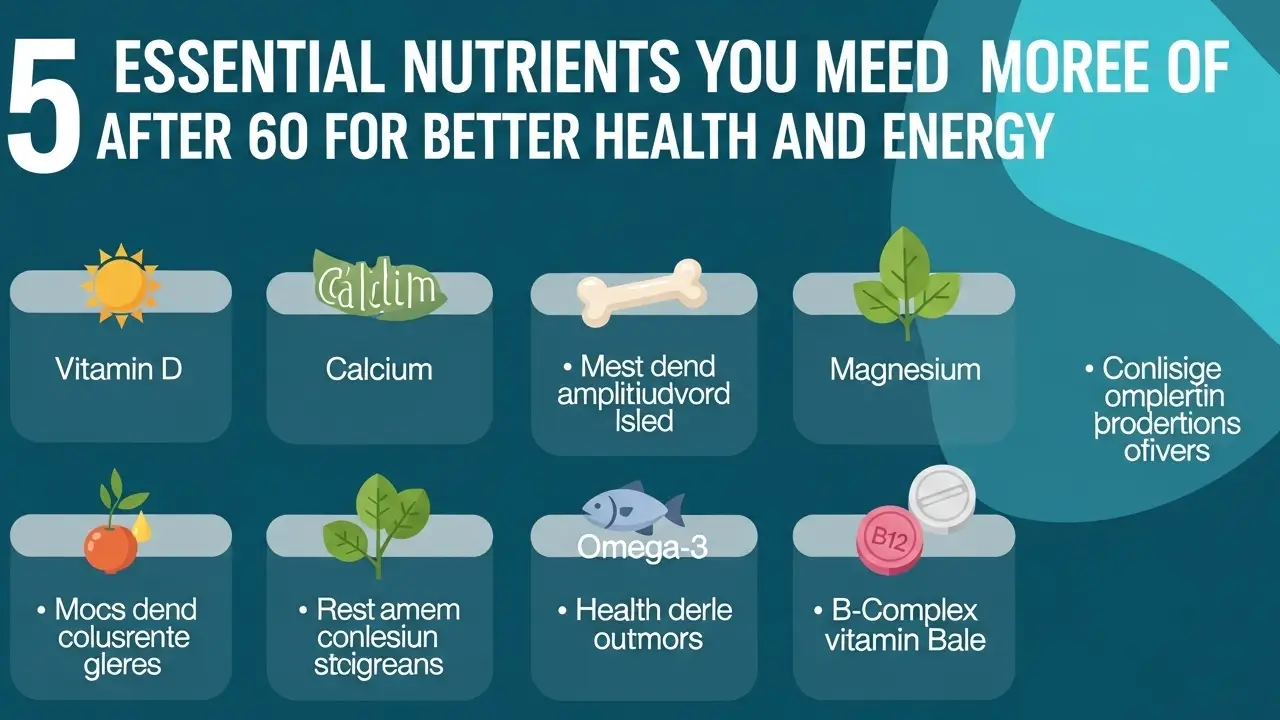
Even with a balanced diet, some nutrients become harder to absorb efficiently. This is why many dietitians recommend focusing on key vitamins and minerals that support healthy aging. Below are five essential nutrients older adults may need more of, along with practical ways to include them in daily life.
1. Vitamin D – Essential for Bone and Immune Health
Vitamin D plays a crucial role in maintaining strong bones and supporting the immune system. However, as people age, the body becomes less efficient at producing vitamin D from sunlight.
This can lead to lower levels, increasing the risk of bone weakness and fractures. Vitamin D also supports heart health and helps regulate blood sugar levels.
While sunlight and foods like fortified milk and fatty fish provide some vitamin D, many older adults may still fall short. In such cases, supplements can help maintain healthy levels under professional guidance.
2. Vitamin B12 – Important for Brain and Nerve Function
Vitamin B12 is essential for maintaining healthy nerve cells, producing red blood cells, and supporting brain function. As people age, the body produces less stomach acid, making it harder to absorb this vitamin from food.
A deficiency in vitamin B12 can lead to fatigue, memory issues, and nerve-related problems. Foods like meat, eggs, and dairy contain B12, but absorption challenges often make supplementation necessary.
It is recommended to consult a healthcare provider before starting supplements to determine the right dosage.
3. Omega-3 Fatty Acids – Support for Heart and Brain Health
Omega-3 fatty acids, especially EPA and DHA, are known for their role in supporting heart and brain health. These healthy fats help reduce inflammation and may improve memory and cognitive function.
They are especially beneficial for reducing the risk of heart disease and supporting joint health, which becomes increasingly important with age.
Fatty fish such as salmon, mackerel, and sardines are excellent sources. For those who do not consume fish regularly, omega-3 supplements can be a practical alternative.
4. Vitamin C – Boosts Immunity and Skin Health
Vitamin C is a powerful antioxidant that helps protect the body from damage caused by free radicals. It supports the immune system, making it easier to fight infections.
Additionally, vitamin C plays a key role in collagen production, which helps maintain skin elasticity and supports wound healing.
Fruits like oranges, strawberries, and vegetables such as bell peppers and broccoli are rich in vitamin C. While most people can meet their needs through diet, supplements may be helpful in certain cases.
5. Calcium – Critical for Strong Bones and Muscles
Calcium remains essential throughout life, especially after 60. As the body ages, calcium absorption decreases, increasing the risk of osteoporosis and fractures.
Calcium is not only important for bones but also supports muscle function, nerve signaling, and heart health.
Dairy products, leafy greens, and fortified foods are good sources. Calcium supplements are often recommended alongside vitamin D to improve absorption and effectiveness.
Other Important Habits for Healthy Aging
While nutrients play a key role, overall lifestyle choices also contribute significantly to health after 60. Here are some essential habits to support long-term well-being:
Stay Physically Active: Regular activities like walking, strength training, or light exercise help maintain muscle strength, balance, and bone density.
Stay Hydrated: Drinking enough water supports digestion, brain function, and energy levels.
Eat Enough Protein: Protein helps preserve muscle mass and supports overall body function. Include foods like eggs, fish, beans, and yogurt in daily meals.
Maintain Social Connections: Staying socially active can improve mental health and reduce the risk of cognitive decline.
Quick Nutrient Overview
| Nutrient | Key Benefits | Common Sources |
|---|---|---|
| Vitamin D | Bone strength, immune support | Sunlight, fortified milk, fish |
| Vitamin B12 | Brain health, energy production | Meat, eggs, dairy |
| Omega-3 | Heart and brain health | Fish, seeds, supplements |
| Vitamin C | Immunity, skin health | Fruits, vegetables |
| Calcium | Bone and muscle function | Dairy, greens, fortified foods |
Final Thoughts
After the age of 60, the body’s nutritional needs change, making it important to focus on key vitamins and minerals. While a balanced diet remains the foundation of good health, certain nutrients like vitamin D, B12, omega-3s, vitamin C, and calcium may require extra attention.
Combining proper nutrition with an active lifestyle, hydration, and social engagement can help support healthy aging and improve overall quality of life. Always consult a healthcare professional before starting any new supplements.
Frequently Asked Questions (FAQs)
1. Why do nutrient needs change after 60?
As the body ages, nutrient absorption decreases, and metabolism slows down, increasing the need for certain vitamins and minerals.
2. Can I get all nutrients from food alone?
While a balanced diet helps, some nutrients like vitamin B12 and vitamin D may require supplementation due to reduced absorption.
3. Are supplements necessary for everyone over 60?
Not always. Supplements depend on individual health conditions and dietary intake. It’s best to consult a healthcare provider.
4. Which nutrient is most important for bone health?
Calcium and vitamin D are both essential for maintaining strong bones and preventing fractures.
5. How can I improve nutrient absorption naturally?
Eating a balanced diet, staying active, maintaining gut health, and proper hydration can help improve nutrient absorption.