Menopause is a natural phase of life, but for many women, it also brings unexpected physical changes that can feel difficult to manage. One of the most common concerns during this stage is weight gain. Even women who maintain the same eating habits and exercise routines often notice changes in body composition, especially around the abdomen.
Now, a new scientific study published in JAMA Network Open suggests there may be a more effective eating pattern for managing menopausal weight gain than the widely praised Mediterranean diet. Researchers found that the Planetary Health Diet showed the strongest association with lower obesity risk and healthier long-term weight management during menopause.
This emerging dietary approach focuses on plant-forward nutrition, whole foods, and balanced eating habits that support both human health and environmental sustainability.
Why Weight Gain Happens During Menopause
Hormonal changes during menopause can affect the body in several ways. Estrogen levels naturally decline, which may influence metabolism, appetite regulation, fat storage, and muscle mass. As a result, many women experience gradual weight gain even without major lifestyle changes.
In addition to hormonal shifts, aging itself can lead to slower metabolism and reduced muscle mass. Poor sleep, stress, and lower physical activity levels may also contribute to changes in body weight during this phase.
Because of these factors, nutrition becomes increasingly important during menopause. Choosing the right dietary pattern may help improve metabolic health, maintain energy levels, and support a healthier body composition.
What Is the Planetary Health Diet?
The Planetary Health Diet is a plant-forward eating pattern developed by global nutrition and sustainability experts. The diet encourages higher consumption of vegetables, fruits, legumes, nuts, seeds, and whole grains while reducing intake of processed foods and red meat.
Unlike trendy restrictive diets, this eating style focuses on long-term balance and nutrient quality. It does not completely eliminate animal products but encourages moderation and healthier food choices overall.
The diet also promotes foods rich in fiber, antioxidants, and healthy fats, which may help support blood sugar stability and reduce inflammation.
How the Study Was Conducted
Researchers analyzed data from more than 38,000 women participating in the long-running Nurses’ Health Study II. The participants were followed for approximately 12 years around the menopausal transition period.
Scientists evaluated several popular eating patterns, including:
- Mediterranean Diet
- DASH Diet
- Plant-Based Diet
- Low-Carbohydrate Diet
- Planetary Health Diet
Participants regularly completed detailed food questionnaires, and body weight changes were monitored throughout the study period.
The goal was to identify which dietary patterns were most strongly linked to lower obesity risk and healthier weight management during menopause.
The Key Findings From the Research
Among all the dietary patterns studied, the Planetary Health Diet was linked to the lowest risk of obesity during menopause.
Researchers found that women who followed this diet more closely tended to gain less weight over time compared to women following less healthy dietary patterns.
The study highlighted several important reasons why this eating pattern may be beneficial:
- Higher intake of fiber-rich foods
- Greater consumption of plant-based proteins
- Lower intake of ultra-processed foods
- Reduced saturated fat intake
- Better blood sugar management
The findings also showed that diets high in refined carbohydrates, processed meats, and ultra-processed foods were associated with greater weight gain and higher obesity risk.
Why Blood Sugar Balance Matters During Menopause
One of the most interesting findings from the study was the connection between blood sugar regulation and menopausal weight gain.
Diets that caused frequent insulin spikes were associated with higher weight gain. Foods such as sugary snacks, processed foods, refined breads, and heavily processed meats may contribute to unstable blood sugar levels.
When blood sugar rises rapidly, insulin levels increase. Over time, this may make fat storage more likely and can also affect hunger and energy levels.
The Planetary Health Diet naturally supports steadier blood sugar levels because it emphasizes fiber-rich whole foods and balanced meals.
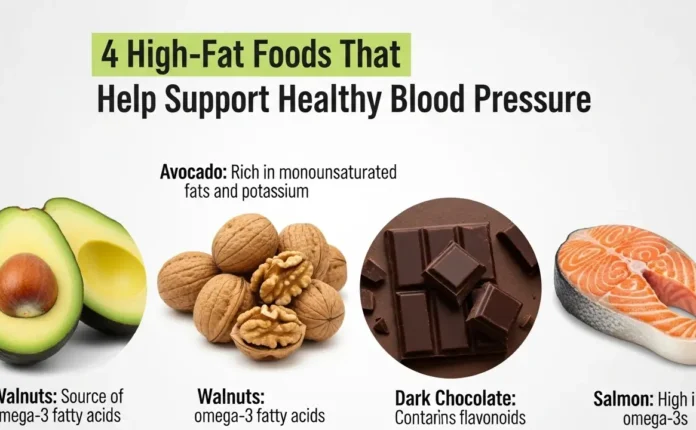
Best Foods to Include During Menopause
Women looking to support healthy weight management during menopause may benefit from adding more nutrient-dense foods to their daily routine.
Simple Ways to Start the Planetary Health Diet
You do not need to completely change your eating habits overnight. Small and consistent improvements are often more sustainable.
Here are some practical ways to begin:
- Replace one meat-based meal each week with beans or lentils
- Choose whole grain bread instead of white bread
- Snack on nuts and fruit instead of chips
- Add vegetables to lunch and dinner daily
- Limit sugary beverages and processed snacks
- Cook more meals at home using simple ingredients
These small dietary changes can gradually improve overall nutrition quality and may support healthier weight management during menopause.
Exercise Still Plays an Important Role
While diet is essential, physical activity also remains important during menopause.
Strength training is particularly valuable because menopause is associated with natural muscle loss. Building and maintaining muscle can help support metabolism, improve bone strength, and enhance overall health.
Walking, yoga, swimming, resistance training, and regular movement throughout the day can all contribute to better long-term wellness.
Sleep and Stress Management Matter Too
Sleep disruptions are common during menopause and may contribute to weight gain. Poor sleep can affect hunger hormones, cravings, and energy levels.
Stress management is equally important. Chronic stress may increase cortisol levels, which can influence appetite and abdominal fat storage.
Helpful habits include:
- Maintaining a consistent sleep schedule
- Reducing screen time before bed
- Practicing relaxation techniques
- Staying physically active
- Limiting caffeine late in the day
Is the Mediterranean Diet Still Healthy?
Yes, the Mediterranean diet remains one of the healthiest eating patterns overall. In fact, the study also showed positive results for the Mediterranean and DASH diets.
However, the Planetary Health Diet appeared to provide slightly stronger benefits for menopausal weight management due to its stronger focus on plant proteins, whole foods, and reduced processed food intake.
Rather than viewing one diet as “good” and another as “bad,” the findings suggest that emphasizing more plant-forward nutrition may offer additional advantages during menopause.
Final Thoughts
Menopause can bring challenging physical and hormonal changes, but research continues to show that lifestyle habits may make a meaningful difference.
The latest study published in JAMA Network Open suggests that the Planetary Health Diet may be one of the most effective eating patterns for supporting healthier weight management during menopause.
By focusing on vegetables, fruits, whole grains, legumes, nuts, and minimally processed foods, women may improve blood sugar balance, support metabolism, and reduce obesity risk over time.
Most importantly, sustainable progress comes from small, realistic changes rather than extreme dieting. Building healthier habits gradually may help women feel stronger, more energized, and more confident throughout menopause and beyond.
FAQs
1. What is the best diet for menopausal weight gain?
Recent research suggests the Planetary Health Diet may help support healthier weight management during menopause due to its focus on whole plant-based foods and reduced processed food intake.
2. Can menopause cause weight gain even with exercise?
Yes. Hormonal changes during menopause can affect metabolism, muscle mass, and fat storage, making weight management more challenging even with regular exercise.
3. Are plant-based diets helpful during menopause?
Plant-based diets rich in fiber, healthy fats, and plant proteins may support blood sugar balance and help reduce obesity risk during menopause.
4. Which foods should women limit during menopause?
It may help to reduce ultra-processed foods, sugary snacks, processed meats, and refined carbohydrates that can contribute to blood sugar spikes and weight gain.
5. Is strength training important during menopause?
Yes. Strength training helps maintain muscle mass, supports metabolism, and improves bone health during and after menopause.