For many women, perimenopause is often associated with symptoms like hot flashes, mood swings, irregular periods and sleep disturbances. However, growing research now suggests that the changes happening inside the body during this transition may be far more serious than previously thought.
A recent study published in the Journal of the American Heart Association highlights an important connection between perimenopause and declining cardiovascular health. Researchers found that women entering this hormonal transition may face a significantly higher risk of developing issues linked to heart disease, including unhealthy cholesterol levels and elevated blood sugar.
These findings are especially important because heart disease remains one of the leading health concerns for women worldwide. Understanding how hormonal changes affect the body during perimenopause can help women take preventive steps early and reduce long-term health risks.
What Is Perimenopause?
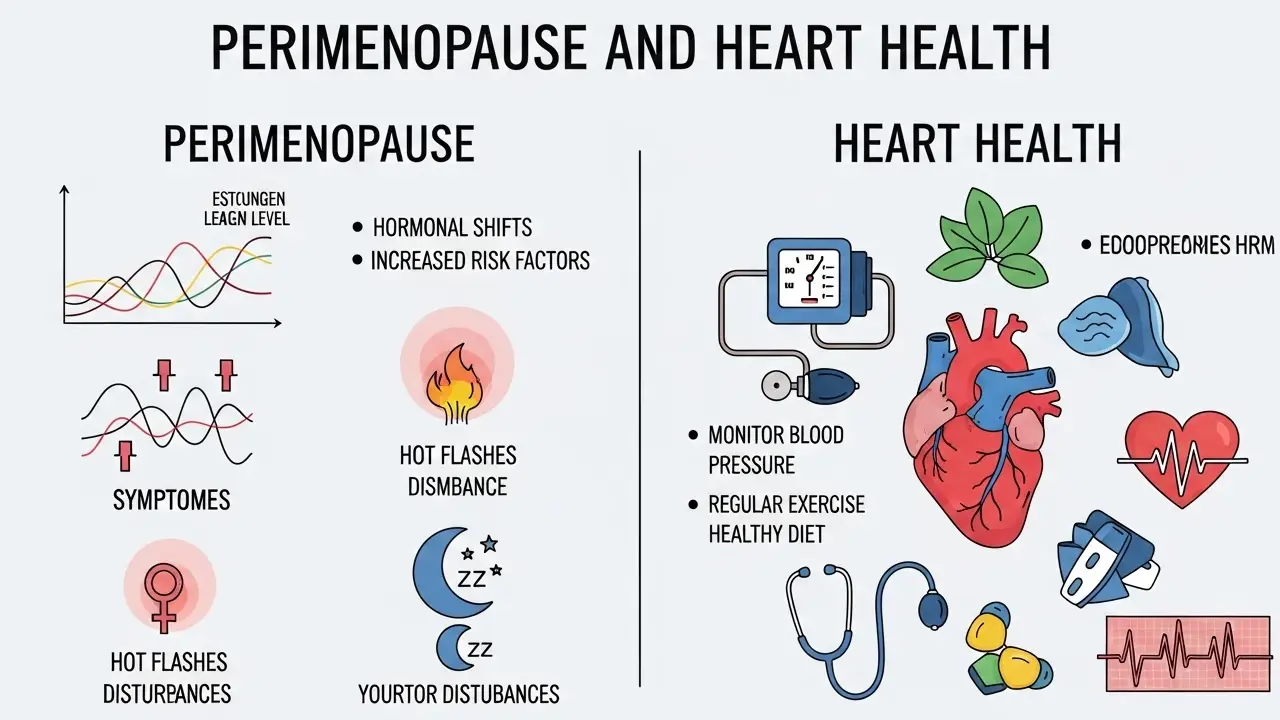
Perimenopause is the transitional phase leading up to menopause. It usually begins in a woman’s 40s, although some women may experience it earlier. During this time, estrogen levels begin to fluctuate and gradually decline.
These hormonal shifts can affect several systems in the body, including metabolism, mood, bone strength and cardiovascular function. While menopause officially begins after 12 consecutive months without a menstrual period, perimenopause can last for several years before that point.
Because estrogen plays an important role in protecting the heart, the decline in this hormone may contribute to an increased risk of cardiovascular issues.
How Estrogen Supports Heart Health
Estrogen is more than a reproductive hormone. It helps support overall cardiovascular wellness in several ways.
According to health experts, estrogen may help:
- Maintain healthy cholesterol levels
- Support blood vessel flexibility
- Regulate blood sugar levels
- Help control blood pressure
- Reduce inflammation inside blood vessels
As estrogen levels decline during perimenopause, these protective benefits may weaken. This can increase the likelihood of metabolic changes that may negatively impact heart health.
How the Research Was Conducted
The study analyzed health information from more than 9,200 women across the United States using data from the National Health and Nutrition Examination Survey (NHANES).
Researchers categorized participants into three groups:
- Premenopausal women
- Perimenopausal women
- Postmenopausal women
To evaluate cardiovascular wellness, researchers used the Life’s Essential 8 (LE8) scoring system developed by the American Heart Association.
This system measures eight major health factors:
- Diet quality
- Physical activity
- Sleep health
- Smoking status
- Blood pressure
- Blood sugar
- Cholesterol levels
- Body mass index (BMI)
Each category receives a score from 0 to 100, providing an overall picture of cardiovascular health.
Key Findings From the Study
The findings showed a noticeable decline in cardiovascular health as women moved from premenopause into perimenopause and later into postmenopause.
One of the most important discoveries was that perimenopausal women had nearly double the risk of poor heart health scores compared to premenopausal women.
Researchers also found:
- 76% higher odds of unhealthy cholesterol levels
- 83% higher odds of poor blood sugar control
- Diet quality remained low across all age groups
- Metabolic health worsened significantly during perimenopause
These findings suggest that the years leading up to menopause may represent a critical period for cardiovascular health monitoring.
Why Diet Matters More During Perimenopause
One of the study’s strongest observations was the poor diet quality reported among women across all reproductive stages.
Nutrition plays a major role in maintaining healthy cholesterol, blood pressure and blood sugar levels. During perimenopause, healthy eating becomes even more important because hormonal changes may affect metabolism and body composition.
Experts recommend focusing on a heart-friendly eating pattern that includes:
- Fresh vegetables and fruits
- Whole grains
- Lean protein sources
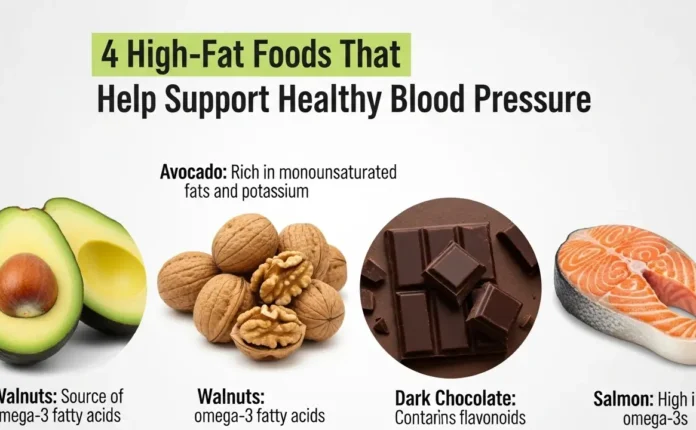
- Healthy fats like nuts and olive oil
- Fiber-rich foods
Limiting highly processed foods, sugary drinks and excessive saturated fat may also help support cardiovascular health.
The Role of Physical Activity
Regular movement can provide several benefits during perimenopause. Exercise may help improve circulation, support insulin sensitivity and maintain healthy body weight.
Experts often recommend combining:
- Aerobic exercise
- Strength training
- Flexibility workouts
- Stress-reducing activities like yoga or walking
Even moderate activity performed consistently may positively impact heart health over time.
Early Health Screenings Are Important
Because cholesterol and blood sugar levels can change quickly during perimenopause, early medical screenings may help identify potential problems before they become serious.
Women approaching menopause may benefit from discussing the following tests with their healthcare provider:
- Blood pressure checks
- Cholesterol testing
- Blood glucose monitoring
- Weight and BMI assessments
- Cardiovascular risk evaluations
Regular monitoring allows women to make lifestyle adjustments early if needed.
Common Signs Women Should Not Ignore
While symptoms vary between individuals, some warning signs may indicate underlying cardiovascular concerns during perimenopause.
- Persistent fatigue
- Shortness of breath
- Chest discomfort
- Dizziness
- High blood pressure
- Unexpected weight gain
- Increased blood sugar levels
Women experiencing these symptoms should consult a qualified healthcare professional for evaluation.
Can Lifestyle Changes Reduce Heart Disease Risk?
Research suggests that healthy lifestyle habits may help lower cardiovascular risk during menopause transition years.
Some practical strategies include:
- Following a balanced diet
- Staying physically active
- Maintaining healthy sleep habits
- Managing stress levels
- Avoiding smoking
- Limiting alcohol intake
These habits not only support heart health but may also improve overall well-being during hormonal changes.
Expert Perspective on the Findings
The study provides valuable insight into an important stage of women’s health that is often overlooked. Rather than focusing only on visible menopause symptoms, the research highlights the importance of monitoring internal health changes as well.
Healthcare experts increasingly recognize that perimenopause represents a major transition point for cardiovascular wellness. Understanding these risks early gives women the opportunity to take preventive action before complications develop.
Final Thoughts
Perimenopause involves much more than hot flashes and sleep disruption. The hormonal changes occurring during this phase may significantly affect cardiovascular and metabolic health.
New research suggests that women in perimenopause may face increased risks related to cholesterol, blood sugar and overall heart health. However, healthy lifestyle choices, regular screenings and early awareness may help reduce long-term complications.
By prioritizing nutrition, physical activity and preventive healthcare, women can support their heart health and navigate this life stage with greater confidence and well-being.
FAQs
1. What is perimenopause?
Perimenopause is the transition phase before menopause when hormone levels begin to fluctuate and menstrual cycles may become irregular.
2. Why does heart health change during perimenopause?
Declining estrogen levels may affect cholesterol, blood sugar and blood vessel function, increasing cardiovascular risk.
3. What foods are recommended during perimenopause?
Experts often recommend fruits, vegetables, whole grains, lean proteins and healthy fats for better heart health.
4. Can exercise help during perimenopause?
Yes, regular physical activity may support metabolism, improve circulation and help maintain healthy weight and blood sugar levels.
5. When should women start heart health screenings?
Women approaching perimenopause should discuss cholesterol, blood pressure and blood sugar screenings with their healthcare provider.