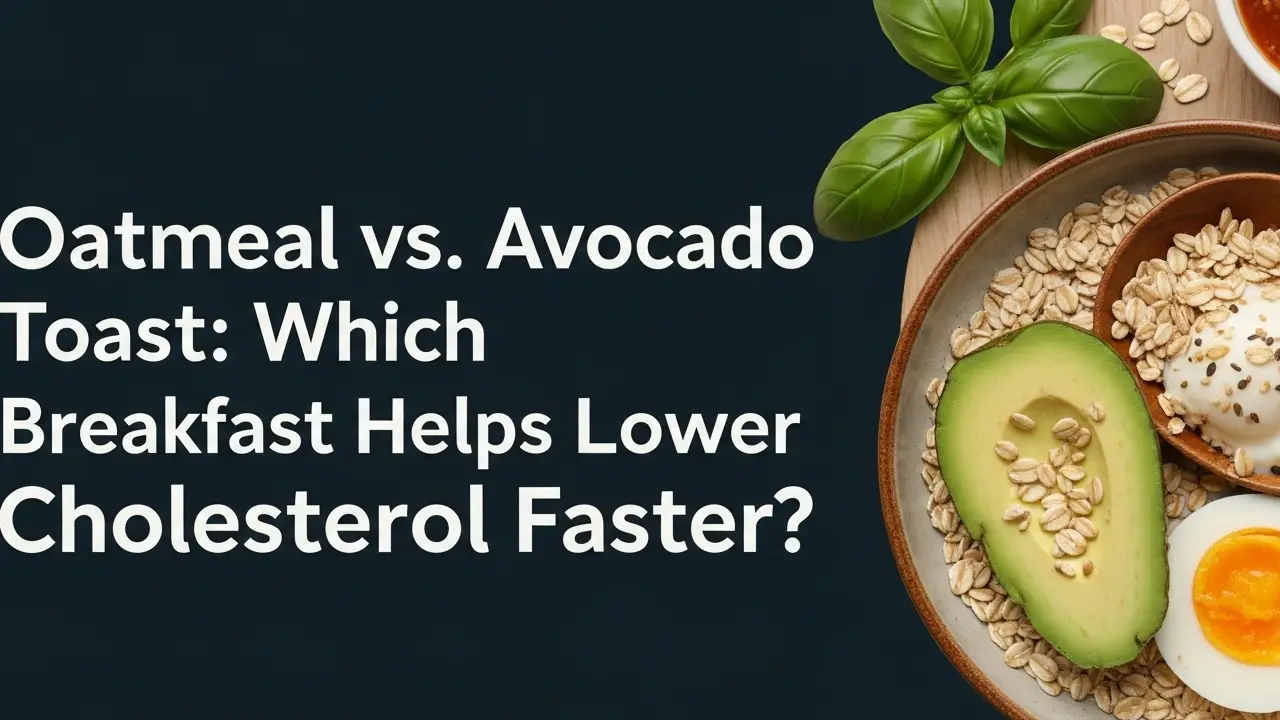
When it comes to improving heart health, managing cholesterol levels is one of the most important steps you can take. Your daily breakfast plays a major role in setting the tone for your nutrition, and two of the most popular choices today are oatmeal and avocado toast.
Both options are widely considered healthy, but if your goal is to lower LDL (bad) cholesterol and support heart health, you may wonder which one gives better results. The answer is not as simple as choosing one over the other. Each offers unique benefits backed by nutrition science.
This article explains how oatmeal and avocado toast affect cholesterol, compares their nutritional value, and helps you choose the best option for your lifestyle.
How Oatmeal Helps Lower Cholesterol
Oatmeal has long been recommended as a heart-healthy breakfast, especially for those looking to reduce cholesterol levels. Its effectiveness comes from a type of soluble fiber called beta-glucan.
This fiber forms a gel-like substance in the digestive system that helps bind cholesterol and remove it from the body. As a result, less cholesterol is absorbed into the bloodstream.
Studies suggest that consuming around 3 grams of beta-glucan daily can significantly reduce LDL cholesterol. Regular intake of oats has also been linked to improvements in total cholesterol, triglycerides, and even HDL (good cholesterol).
Another benefit of oatmeal is its ability to keep you full longer, helping control hunger and support weight management, which is also important for heart health.
How Avocado Toast Supports Heart Health
Avocado toast has gained popularity as a modern healthy breakfast, and for good reason. Avocados are rich in monounsaturated fats, which are known to support heart health and improve cholesterol levels.
These healthy fats help reduce LDL cholesterol while maintaining or even increasing HDL cholesterol. In addition, avocados contain plant sterols, which naturally help block cholesterol absorption in the body.
When paired with whole-grain bread, avocado toast also provides fiber, making it a balanced meal. Research shows that including avocado in your daily diet can improve overall diet quality and support better lipid profiles.
Another advantage is that avocado can replace unhealthy spreads like butter or margarine, making it a smarter choice for long-term heart health.
Oatmeal vs. Avocado Toast: Key Differences
Both breakfast options are beneficial, but they work in different ways. Oatmeal primarily helps by removing cholesterol from the body, while avocado toast supports heart health by improving fat balance.
Oatmeal is especially effective for those who need to actively lower LDL cholesterol. On the other hand, avocado toast is ideal for maintaining a balanced and heart-friendly diet.
| Feature | Oatmeal | Avocado Toast |
|---|---|---|
| Main Benefit | Reduces LDL cholesterol | Improves healthy fat intake |
| Key Nutrient | Beta-glucan fiber | Monounsaturated fats |
| Fiber Content | High | Moderate |
| Heart Health Impact | Direct cholesterol reduction | Supports overall heart health |
| Best For | Lowering cholesterol quickly | Maintaining balanced diet |
Which Breakfast Is Better for Cholesterol?
The truth is, both oatmeal and avocado toast are excellent choices for managing cholesterol. The better option depends on your specific health goals.
If your primary aim is to reduce high cholesterol levels, oatmeal may offer a more direct benefit due to its soluble fiber content. However, if you want to improve overall heart health and replace unhealthy fats, avocado toast is equally valuable.
Nutrition experts recommend not relying on a single food. Instead, rotating between these options can provide a wider range of nutrients and support long-term health.
Tips to Improve Cholesterol Through Breakfast
Beyond choosing oatmeal or avocado toast, small dietary changes can make a big difference in your cholesterol levels.
Add more fiber: Include fruits like apples and berries, along with whole grains and legumes, to boost your daily fiber intake.
Choose healthy fats: Replace butter and processed spreads with options like avocado, nuts, and seeds.
Increase protein: Add yogurt, eggs, or plant-based proteins to your breakfast for better satiety and balance.
Limit processed foods: Avoid sugary cereals and refined bread, as they can negatively impact cholesterol.
Stay consistent: Healthy eating habits over time are more effective than quick fixes.
Healthy Breakfast Ideas for Better Cholesterol
If you want variety while maintaining heart health, consider these simple combinations:
Oatmeal with berries, nuts, and low-fat milk for a fiber-rich start.
Avocado toast topped with chickpeas or eggs for added protein.
Overnight oats with cinnamon and apples for convenience and nutrition.
Whole-grain toast with avocado and seeds for extra healthy fats.
Final Verdict
Choosing between oatmeal and avocado toast does not have to be a strict decision. Both offer valuable nutrients that support cholesterol management in different ways.
Oatmeal stands out for its ability to actively lower LDL cholesterol, while avocado toast provides heart-healthy fats that improve overall lipid balance.
For the best results, include both options in your weekly routine. A balanced and varied diet is the most effective approach to long-term heart health.
FAQs
1. Is oatmeal better than avocado toast for lowering cholesterol?
Oatmeal may be more effective for directly lowering LDL cholesterol due to its beta-glucan fiber, but avocado toast also supports heart health.
2. Can I eat oatmeal every day for cholesterol?
Yes, eating oatmeal daily can help reduce cholesterol levels, especially when combined with a balanced diet.
3. Does avocado increase cholesterol?
No, avocado contains healthy fats that can help improve cholesterol levels when eaten in moderation.
4. What type of bread is best for avocado toast?
Whole-grain or whole-wheat bread is best because it provides more fiber and nutrients.
5. How long does it take to lower cholesterol with diet?
Diet changes can start showing results in a few weeks, but consistent healthy eating is key for long-term improvement.