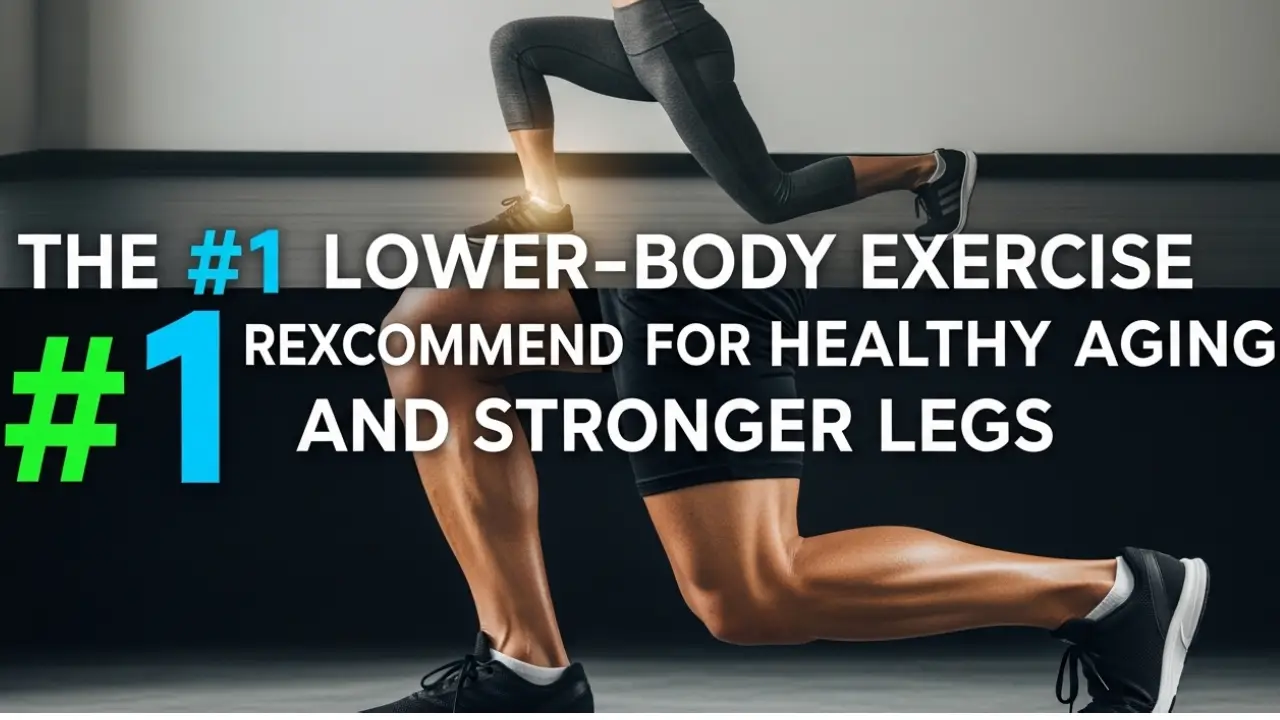
Maintaining lower-body strength becomes increasingly important with age. From climbing stairs and carrying groceries to getting out of a chair comfortably, strong legs and hips support everyday independence and mobility. Health and fitness experts consistently recommend one powerful exercise for preserving lower-body strength over time: Squats.
Squats are often called one of the most effective functional exercises because they train multiple muscle groups at the same time. They help improve balance, stability, flexibility and overall strength, making daily activities easier and safer as you grow older.
Why Squats Are Considered the Best Exercise for Lower-Body Strength
Fitness professionals and physical therapists often recommend squats because they activate several major muscle groups in one movement. Unlike isolated exercises that only target one area, squats train the body to move more efficiently in real-life situations.
Squats primarily strengthen the:
- Quadriceps (front thighs)
- Hamstrings (back thighs)
- Glutes (hip muscles)
- Calves
- Core muscles
- Lower back stabilizers
These muscle groups are essential for maintaining posture, walking safely, standing up from seated positions and supporting overall body balance.
Experts also point out that squats help preserve what are often called “anti-gravity muscles.” These muscles allow the body to resist weakness and instability that naturally occur with aging.
Health Benefits of Doing Squats Regularly
Squats offer more than just stronger legs. Because they engage some of the body’s largest muscles, they also contribute to overall health and physical performance.
Here are some major benefits of regular squat training:
1. Improves Mobility and Independence
Strong lower-body muscles make daily movements easier. Tasks like bending, lifting, sitting and climbing stairs become more manageable.
Maintaining independence later in life often depends on preserving lower-body strength and balance.
2. Supports Better Balance and Fall Prevention
Falls are a common concern among older adults. Squats improve coordination, balance and joint stability, helping reduce the risk of falls and related injuries.
Improved balance also supports safer walking and smoother movement patterns.
3. Helps Maintain Muscle Mass
Age-related muscle loss, known as sarcopenia, can reduce strength and mobility over time. Resistance exercises like squats help maintain lean muscle mass and support healthy aging.
Regular strength training can also improve endurance and overall physical confidence.
4. Supports Metabolic Health
Large muscle movements increase energy expenditure and may support better metabolic function. Strength training has been linked to improved blood sugar control and heart health.
Combining exercise with balanced nutrition can further enhance these benefits.
How to Perform a Proper Squat
Using correct form is essential for safety and effectiveness. Beginners should start slowly and focus on control rather than speed.
Beginner-Friendly Squat Tips
If you are new to strength training, there are several ways to make squats easier and safer:
- Use a chair behind you for support
- Perform partial squats instead of lowering fully
- Hold onto a stable surface for balance
- Move slowly and focus on posture
- Start with bodyweight only before adding resistance
Once you become comfortable, you can gradually increase difficulty by adding dumbbells, resistance bands or kettlebells.
Advanced Squat Variations
As strength improves, trying different squat variations can challenge the muscles in new ways and prevent workout boredom.
Goblet Squat
Hold a dumbbell or kettlebell close to your chest while performing the squat. This variation increases resistance and improves core engagement.
Sumo Squat
Stand with feet wider than shoulder-width apart. This version places more emphasis on the inner thighs and glutes.
Single-Leg Squat
This advanced movement improves balance, coordination and lower-body stability.
Other Lower-Body Exercises Experts Recommend
While squats are highly effective, combining them with other exercises creates a more balanced workout routine.
Step-Ups
Step-ups mimic climbing stairs and strengthen the same muscles used in squats.
To perform:
- Place one foot on a sturdy platform
- Push through your heel to lift yourself upward
- Slowly lower back down
- Repeat for 8–12 reps on each leg
Glute Bridges
Glute bridges strengthen the hips, hamstrings and glutes while placing less stress on the knees.
To perform:
- Lie on your back with knees bent
- Press through your heels and lift your hips
- Squeeze your glutes at the top
- Lower slowly and repeat
Hip Thrusts
Hip thrusts are excellent for building hip and glute strength.
To perform:
- Rest your upper back against a bench
- Keep feet flat on the floor
- Drive hips upward until the body forms a straight line
- Lower slowly and repeat
How Often Should You Train Lower Body?
Experts generally recommend strength training exercises at least two to three times per week. Rest days between sessions allow muscles to recover and grow stronger.
A balanced routine should include:
- Strength exercises
- Flexibility work
- Walking or light cardio
- Balance training
Consistency is more important than intensity, especially for beginners.
Nutrition Matters for Muscle Strength
Exercise alone is not enough for maintaining muscle health. Proper nutrition plays a major role in recovery and strength development.
Focus on consuming:
- Protein-rich foods such as eggs, fish, yogurt, beans and lean meats
- Whole grains for energy
- Fruits and vegetables for vitamins and minerals
- Healthy fats from nuts, seeds and olive oil
Staying hydrated is also important for muscle performance and recovery.
Is Squatting Safe for Everyone?
Squats are generally safe for healthy individuals when performed correctly. However, people with knee pain, hip injuries, balance problems or musculoskeletal conditions should consult a qualified healthcare professional before beginning a new exercise routine.
Pay attention to warning signs such as:
- Sharp pain
- Dizziness
- Swelling
- Joint discomfort
If discomfort occurs, stop exercising and seek professional advice.
Final Thoughts
Maintaining lower-body strength is one of the most important parts of healthy aging, and Squats remain one of the best exercises for building and preserving that strength.
They improve mobility, balance, stability and muscle health while supporting independence in everyday life. When combined with proper nutrition and consistent activity, squats can help people stay active and confident for years to come.
Adding step-ups, glute bridges and hip thrusts can further strengthen the lower body and create a well-rounded fitness routine.
Frequently Asked Questions (FAQs)
1. Are squats good for older adults?
Yes, squats can help older adults maintain muscle strength, balance and mobility when performed safely with proper form.
2. How many squats should beginners do daily?
Beginners can start with 8–12 repetitions for 2–3 sets several times per week.
3. Can squats help reduce fall risk?
Yes, squats strengthen the muscles responsible for balance and stability, which may help reduce fall risk.
4. What if regular squats hurt my knees?
Try partial squats, chair squats or consult a fitness professional to check your form and recommend modifications.
5. Which exercise is best besides squats?
Step-ups, glute bridges and hip thrusts are all effective lower-body exercises that support strength and mobility.