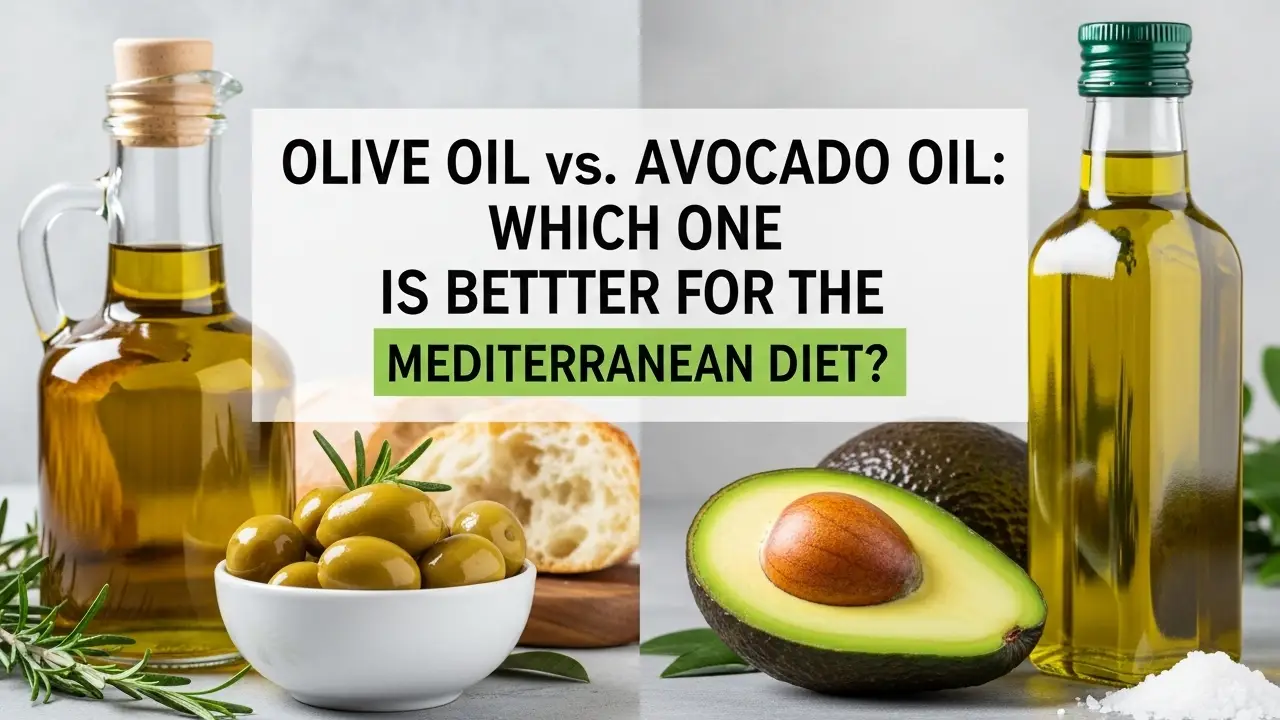
The Mediterranean diet is widely known for its balanced approach to healthy eating, with a strong emphasis on natural fats, fresh vegetables, and whole foods. Among its most important components are healthy oils, especially olive oil. However, in recent years, avocado oil has also gained popularity as a nutritious alternative.
Both oils offer valuable health benefits, but they differ in composition, cooking uses, and nutritional strengths. Understanding these differences can help you make better choices for your daily meals while staying aligned with Mediterranean diet principles.
What Makes Olive Oil a Key Part of the Mediterranean Diet?
Olive oil, particularly extra-virgin olive oil (EVOO), is considered the heart of the Mediterranean diet. It has been used for centuries in traditional cooking and is backed by extensive scientific research.
This oil is rich in monounsaturated fats, especially oleic acid, which is known to support heart health. It is commonly used for salad dressings, light cooking, and as a finishing oil for dishes.
Health Benefits of Olive Oil
One of the strongest advantages of olive oil is its high antioxidant content, particularly polyphenols. These compounds help reduce inflammation and protect cells from damage.
Regular consumption of olive oil is associated with improved heart health, lower bad cholesterol (LDL), better blood pressure control, and reduced risk of chronic diseases such as diabetes.
Why Avocado Oil Is Gaining Popularity
Avocado oil is not traditionally part of the Mediterranean diet, but it shares many similar nutritional qualities with olive oil. It is extracted from the pulp of avocados and contains a high amount of healthy fats.
Its mild taste and versatility make it a preferred option for people who want a neutral flavor in their cooking without compromising on nutrition.
Health Benefits of Avocado Oil
Avocado oil is rich in vitamin E and contains beneficial plant compounds such as phytosterols and antioxidants. These nutrients support overall wellness and may help reduce oxidative stress in the body.
One unique advantage is its content of lutein, a carotenoid that supports eye health and helps protect against age-related vision problems.
Smoke Point and Cooking Performance
One major difference between the two oils is their smoke point, which determines how well they perform at high temperatures.
Avocado oil has a significantly higher smoke point (around 520°F), making it ideal for frying, roasting, and grilling. Olive oil, especially extra-virgin, has a lower smoke point (around 375°F), making it better suited for low to medium heat cooking and raw applications.
Taste and Culinary Uses
Olive oil has a distinctive, slightly peppery flavor that enhances salads, dips, and Mediterranean dishes. It adds depth and richness to food.
In contrast, avocado oil has a neutral taste, which makes it suitable for a wide variety of recipes, especially when you don’t want the oil to influence the flavor of the dish.
Which Oil Is Better for the Mediterranean Diet?
When it comes to the Mediterranean diet, olive oil remains the primary choice due to its long history and strong scientific support. It is deeply integrated into traditional recipes and eating patterns.
However, avocado oil is an excellent complementary option. It offers similar healthy fats and provides added benefits like higher heat stability and eye-supporting nutrients.
Instead of choosing one over the other, using both oils in your kitchen can provide a balanced and practical approach to healthy cooking.
Best Ways to Use Olive Oil and Avocado Oil
To get the most benefits, it’s important to use each oil according to its strengths.
Use olive oil for salad dressings, dipping sauces, drizzling over vegetables, and light sautéing. It works best when its natural flavor can shine.
Use avocado oil for high-heat cooking methods like roasting vegetables, frying, or grilling proteins. Its stability makes it a safer option at higher temperatures.
Nutritional Comparison
| Feature | Olive Oil | Avocado Oil |
|---|---|---|
| Main Fat Type | Monounsaturated (Oleic Acid) | Monounsaturated (Oleic Acid) |
| Antioxidants | High (Polyphenols) | Moderate (Vitamin E, Phytosterols) |
| Smoke Point | ~375°F | ~520°F |
| Flavor | Strong, fruity | Mild, neutral |
| Best Use | Dressings, low heat cooking | High heat cooking |
| Unique Benefit | Heart health support | Eye health (Lutein) |
Final Verdict
Both olive oil and avocado oil are excellent choices for a healthy lifestyle. Olive oil remains the foundation of the Mediterranean diet, offering strong research-backed benefits for heart health and overall wellness.
At the same time, avocado oil adds flexibility with its high smoke point and additional nutrients. Including both in your daily cooking routine can help you enjoy a wider range of meals while maintaining a balanced diet.
Frequently Asked Questions (FAQs)
1. Can I replace olive oil with avocado oil completely?
Yes, but it’s better to use both. Olive oil is ideal for traditional Mediterranean dishes, while avocado oil works better for high-heat cooking.
2. Which oil is better for heart health?
Both oils support heart health due to their high monounsaturated fat content, but olive oil has more long-term research backing its benefits.
3. Is avocado oil healthier than olive oil?
Not necessarily. Both are healthy, but they offer different advantages. Olive oil excels in antioxidants, while avocado oil provides lutein and higher heat stability.
4. Can I use olive oil for frying?
It can be used for light frying, but for high-heat cooking, avocado oil is a safer and more stable option.
5. Which oil is better for weight management?
Both oils are calorie-dense but healthy. When used in moderation, they can support weight management as part of a balanced diet.