Sweet potatoes are one of the most nutrient-dense vegetables available, known for their naturally sweet taste and vibrant orange color. But beyond their flavor, they are especially valued for their high content of beta-carotene, which the body converts into vitamin A. This essential nutrient supports healthy vision, immune function, and skin health.
While many people already include sweet potatoes in their diet, fewer understand that how you prepare and eat them significantly affects how much vitamin A your body absorbs. According to dietitians, the right cooking method combined with healthy fats can dramatically improve nutrient absorption.
Why Vitamin A from Sweet Potatoes Matters
Vitamin A is a fat-soluble nutrient that plays a key role in maintaining overall health. It contributes to proper eye function, supports the immune system, and helps maintain healthy skin and tissues. Sweet potatoes are among the richest natural sources of this nutrient.
One medium-sized sweet potato can provide more than 100% of your daily vitamin A requirement. However, simply eating sweet potatoes is not enough. The body needs help to properly absorb and utilize the beta-carotene they contain.
How Cooking Affects Nutrient Availability
Raw sweet potatoes technically contain a high amount of beta-carotene, but much of it remains trapped inside the plant’s rigid cell walls. This makes it harder for your digestive system to access the nutrients effectively.
Cooking helps break down these cell walls, making beta-carotene more bioavailable. In simple terms, cooking does not destroy this nutrient—in fact, it makes it easier for your body to absorb it.
Best Cooking Methods for Maximum Vitamin A
Not all cooking methods are equal when it comes to preserving nutrients. Research and expert recommendations highlight two methods as the most effective:
1. Boiling Sweet Potatoes
Boiling is one of the simplest and most effective ways to prepare sweet potatoes while preserving a high percentage of beta-carotene. This method softens the vegetable and improves nutrient absorption.
To minimize nutrient loss, it is best to use the cooking water in soups or stews. This ensures that any water-soluble vitamins that leach out are still consumed.
2. Steaming Sweet Potatoes
Steaming is often considered the best overall method because it preserves both beta-carotene and other sensitive nutrients like vitamin C and B vitamins.
Unlike boiling, steaming avoids direct contact with water, reducing the loss of valuable nutrients while still making them more accessible for digestion.
Why You Should Always Keep the Skin On
The skin of sweet potatoes contains a significant amount of antioxidants, including beta-carotene. Removing the skin can reduce the overall nutritional value of the dish.
Cooking sweet potatoes with the skin on helps retain more nutrients. After cooking, the skin becomes soft and edible, making it easy to include in your meal without compromising taste.
The Role of Healthy Fats in Absorption
Beta-carotene is a fat-soluble nutrient, meaning your body requires dietary fat to absorb it efficiently. Without fat, much of the vitamin A potential may go unused.
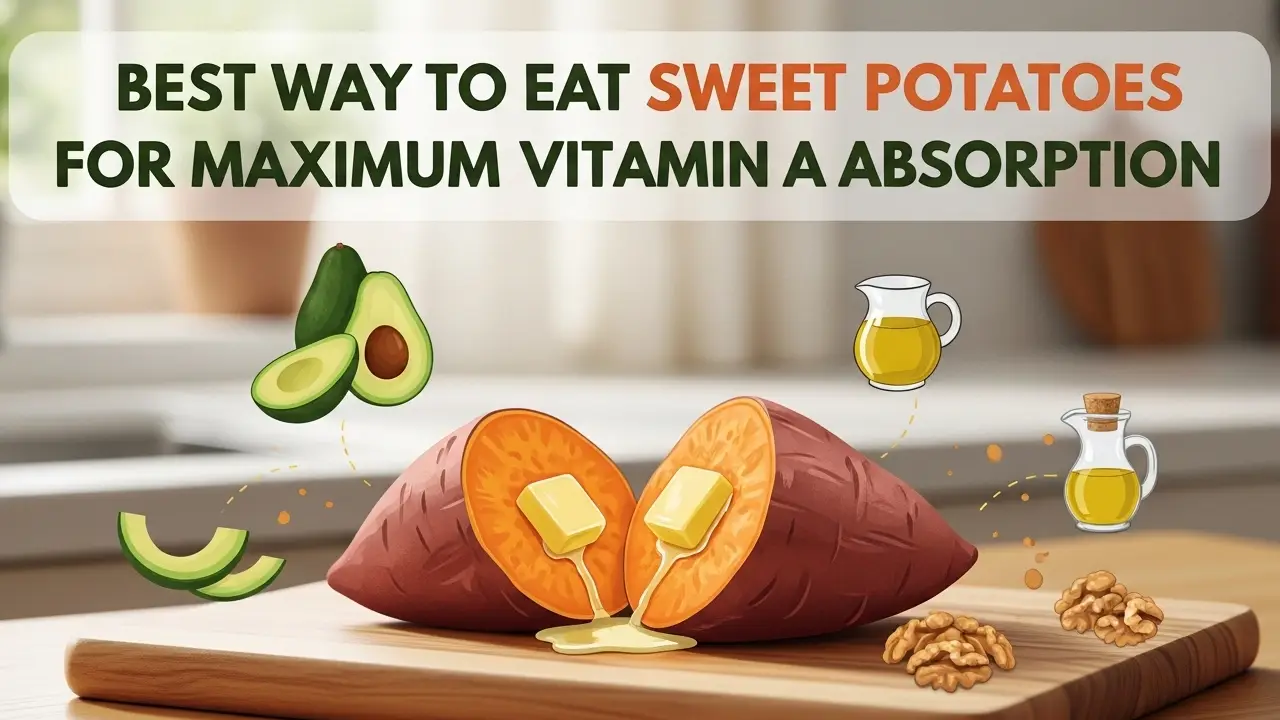
Adding even a small amount of fat—around 3 to 5 grams—can significantly boost absorption. This can be as simple as adding a teaspoon of olive oil or including foods like avocado, yogurt, or nuts.
Best Healthy Fat Pairings for Sweet Potatoes
To maximize vitamin A absorption, consider pairing your sweet potatoes with the following:
Olive oil: Drizzle over steamed or boiled sweet potatoes
Avocado: Serve sliced or mashed alongside
Greek yogurt: Add as a creamy topping
Nuts and seeds: Sprinkle for texture and healthy fats
Cheese: Use in moderation for added richness
Other Cooking Methods: Are They Still Healthy?
While boiling and steaming are ideal, other cooking methods can still be part of a balanced diet.
Roasting or baking: These methods expose sweet potatoes to higher temperatures, which can reduce some beta-carotene content. However, adding oil helps improve absorption.
Microwaving: A quick and convenient option that retains many nutrients, especially when cooked with the skin on.
Air frying: Produces a crispy texture with less oil than traditional frying. Although some nutrients may be lost, adding a light coating of oil can help compensate.
Practical Ways to Include Sweet Potatoes in Your Diet
Incorporating sweet potatoes into your daily meals does not have to be complicated. Simple, balanced preparations can deliver both taste and nutrition.
Try adding them to soups, mashing them with olive oil, or pairing them with protein sources like beans or chicken. Keeping preparation simple often leads to more consistent healthy eating habits.
Beautiful Nutrition Breakdown
| Nutrient | Amount (Medium Sweet Potato) | Health Benefit |
|---|---|---|
| Vitamin A (Beta-Carotene) | 100%+ Daily Value | Supports vision and immunity |
| Fiber | 4 grams | Improves digestion |
| Potassium | 400+ mg | Supports heart health |
| Vitamin C | Moderate | Boosts immunity |
Expert Insight: What Matters Most
Nutrition experts emphasize that while cooking methods do affect nutrient retention, consistency matters more. The most beneficial approach is to prepare sweet potatoes in a way that you enjoy and can maintain regularly.
The ideal combination remains: steaming or boiling with the skin on, paired with a small amount of healthy fat. This method provides the best balance between nutrient preservation and absorption.
Frequently Asked Questions (FAQs)
1. Is it better to eat sweet potatoes raw or cooked?
Cooked sweet potatoes are better because cooking helps release beta-carotene, making it easier for the body to absorb.
2. Do I need to add fat to absorb vitamin A?
Yes, since vitamin A is fat-soluble, adding a small amount of healthy fat significantly improves absorption.
3. Is sweet potato skin safe to eat?
Yes, the skin is safe and highly nutritious when properly washed and cooked.
4. Does roasting destroy nutrients?
Roasting can reduce some nutrients due to high heat, but it still provides nutritional value, especially when combined with healthy fats.
5. What is the healthiest way to eat sweet potatoes daily?
The healthiest method is steaming or boiling with the skin on and pairing with a source of healthy fat like olive oil or avocado.